
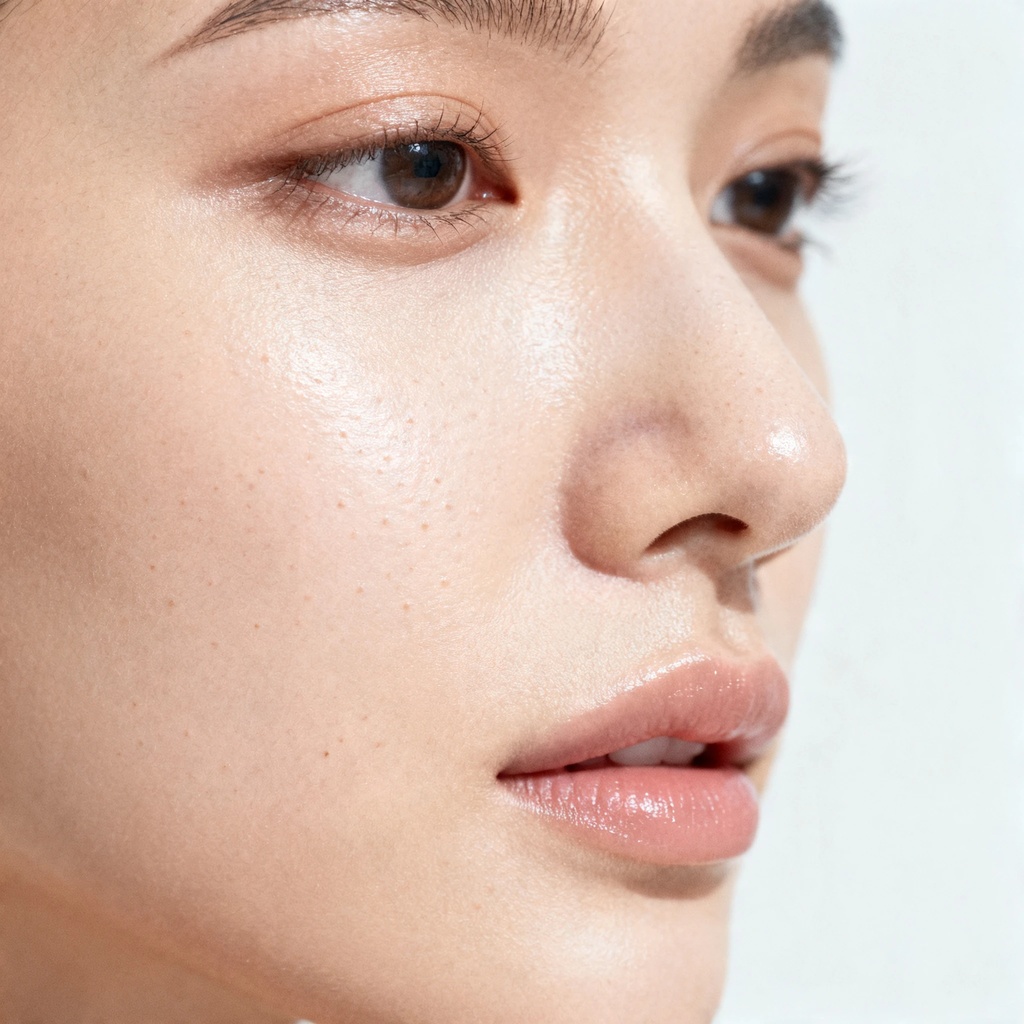
You cleanse diligently, avoid heavy creams, and meticulously select products labeled ‘fragrance-free’ and ‘non-comedogenic.’ Yet, stubborn bumps and clogged pores persist. This frustrating mismatch between careful routine and persistent acne is a common thread in modern skincare discussions, especially online. For busy adults with oily, acne-prone skin, the frustration is real: you’re doing the basics right, but your moisturizer—the product meant to soothe and balance—might be the hidden saboteur. This article cuts through the marketing to explain why ‘fragrance-free’ often fails for acne-prone skin and provides a science-backed roadmap for what actually works.
Why Fragrance-Free Isn't Always Acne-Safe
The ‘fragrance-free’ label is a promise to omit added synthetic perfumes or masking scents, but it is not a guarantee of a formula free from all irritants or pore-clogging ingredients. For reactive, acne-prone skin, other components in the cocktail can be just as problematic. The real issue often lies in a combination of hidden irritants, unsuitable textures, and a fundamental misunderstanding of your skin’s needs.

Hidden Irritants Beyond Fragrance
Many ‘fragrance-free’ formulas still contain botanical extracts, essential oils, or certain preservatives that can provoke inflammation. Common culprits include high concentrations of phenoxyethanol, which can cause stinging, or ‘natural’ ingredients like citrus extracts, lavender oil, or even some forms of vitamin E (tocopherol). These components can disrupt the skin barrier, creating an environment where acne bacteria thrive, leading to breakouts despite the absence of traditional perfume. This explains why a fragrance free moisturizer for acne prone skin might still break you out.
Occlusive Textures in Humid Climates
Texture is as critical as the ingredient list. Many formulas labeled lightweight or non-comedogenic rely on occlusive agents—certain silicones or heavy emollients—to create a protective seal. In humid climates or for very oily skin types, this seal can trap sweat, sebum, and heat against the skin, effectively clogging pores from the outside in. Your skin may feel suffocated, leading to congestion. This is a key reason why searching for a lightweight fragrance free moisturizer for acne is so common.
The Oily-Yet-Dry Barrier Mismatch
Acne-prone skin is often treated as simply oily, but it can simultaneously be dehydrated and suffer from a damaged barrier, especially if you use actives like salicylic acid or retinoids. This creates a paradox: your skin overproduces oil but lacks the proper hydration and lipids to maintain a healthy protective layer. Using a moisturizer that’s too harsh, stripping, or incompatible with this fragile state can worsen both dryness and breakouts, making it feel like nothing works. This mismatch is a core reason why fragrance free moisturizer acne prone not working is a frequent complaint.
It's important to consider all aspects of your routine, including Beetroot Supplement intake, when addressing skin health.
Key Ingredients That Won't Clog Pores
To effectively moisturize acne-prone skin without causing breakouts, you need ingredients that hydrate, repair, and calm without adding heaviness or irritation. The goal is to support the skin barrier with components it recognizes and can use efficiently.
Non-Comedogenic Hydrators
Humectants like hyaluronic acid, sodium hyaluronate, and glycerin are superstar ingredients for acne-prone skin. They draw water into the skin, providing multi-level hydration with a feather-light feel. They deliver the plumping, quenching effect your skin needs without adding oily residue or creating a film that could trap debris. A fragrance free gel moisturizer for acne prone skin often relies on these hydrators as its base.
Barrier Repair Actives
Niacinamide is arguably the most valuable multi-tasker for acne-prone skin. At moderate concentrations, it helps regulate oil production, strengthens the skin barrier, reduces redness, and minimizes pore appearance. Ceramides and specific fatty acids like linoleic acid are the natural building blocks of your skin’s protective layer. They repair damage caused by acne and harsh treatments, making skin more resilient and less reactive. Seeking a fragrance free moisturizer acne prone with niacinamide can be a strategic choice for this reason. Ceramide-Containing Adjunctive Skin Care for Skin Barrier Restoration During Acne... can help restore the skin barrier.
Anti-Inflammatory Filters
Ingredients like zinc, allantoin, or panthenol (provitamin B5) offer soothing properties without clogging pores. They help calm existing redness and irritation, which is crucial for skin that is both acne-prone and sensitive. Their presence in a formula can make it a true moisturizer for acne prone skin no fragrance no irritation.
It's worth exploring all available options to find the right fit for your skin.
Common Mistakes With Acne Moisturizers
Assuming ‘lightweight’ always means ‘safe’ is a primary error. A gel packed with comedogenic botanical oils can be more problematic than a simple, light cream with a clean list. Over-application is another frequent mistake; a pea-sized amount for the face is often sufficient. Piling on layers, even of good products, can overwhelm skin and lead to congestion. Finally, introducing a new moisturizer simultaneously with another new product, like a serum, makes it impossible to identify the true culprit if a breakout occurs.
Texture Guide for Acne-Prone Skin
Choosing the right texture is a personal decision based on your skin’s current state, climate, and other products in your routine. Not all textures suit all scenarios.
| Texture Type | Best For | Key Benefit | Climate Consideration |
|---|---|---|---|
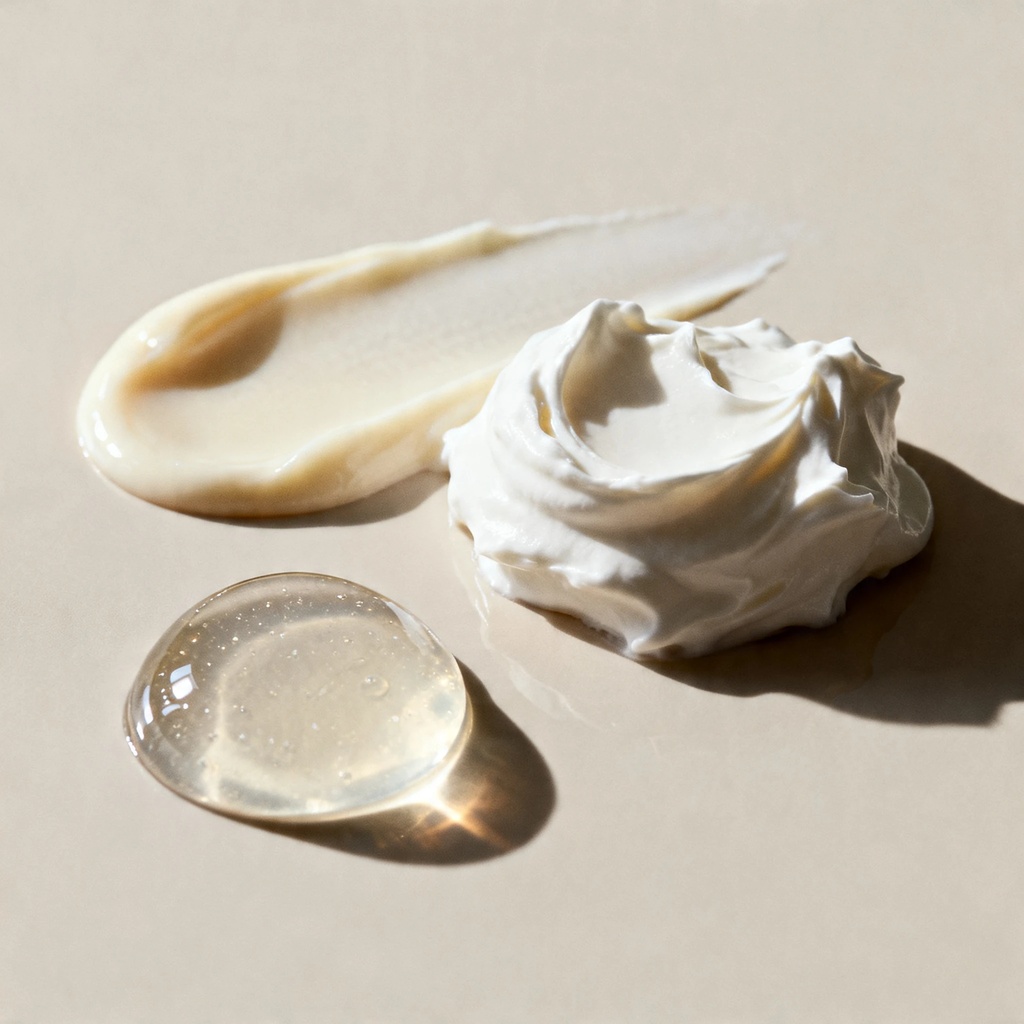
| Gel / Gel-Cream | Very oily skin; daytime use; humid environments | Instant, water-like hydration; absorbs quickly with matte/natural finish | Excellent for humidity; may not be sufficient in very dry, cold climates |
| Lightweight Lotion / Fluid Cream | Normal to combination skin; those using drying treatments (e.g., salicylic acid) | Balances hydration with light emollience; supports barrier without heaviness | Versatile for most climates |
| Barrier-Supportive Cream | Acne-prone skin that leans dry; post-retinoid routines; compromised barrier | Provides substantial emollience and lipid repair; combats peeling and irritation | Necessary in dry climates or when using potent actives; choose non-comedogenic oils |
Gels vs Creams
Gels and gel-creams are typically the best fragrance free moisturizer for acne prone oily skin, offering hydration that absorbs quickly. Lightweight lotions or fluid creams are ideal for normal to combination skin, or for those using drying treatments. Even cream textures can work for acne-prone skin that leans dry or is on prescription retinoids, provided they are formulated with non-comedogenic oils and lack heavy waxes.
Scientific Evidence
Post-Retinoid Picks
If you’re using tretinoin or adapalene, your skin’s tolerance for moisture changes dramatically. You’ll likely need a more substantial, barrier-supportive moisturizer than you used before. Look for formulas with ceramides, panthenol, and cholesterol that mimic your skin’s natural lipid barrier. These help combat peeling and irritation without clogging pores, addressing the common concern: does fragrance free moisturizer help acne prone skin if I already use salicylic acid? The answer is yes, but the type must shift to a more reparative one.
Climate-Specific Choices
Your environment dictates your texture choice. In humid areas, prioritize gels or very light lotions to avoid trapping moisture. In arid climates, even acne-prone skin may need the additional emollience of a light cream to prevent barrier dehydration from dry air.
It's also worth considering what to take with nmn to support overall skin health.
How to Pick and Layer Your Moisturizer Routine
Start by identifying your skin’s primary need: is it pure oil control, barrier repair, or soothing irritation? Read ingredient lists, not just front labels. Apply your moisturizer to damp skin to lock in hydration. If you use treatment actives like salicylic acid or benzoyl peroxide, apply your treatment first, wait a few minutes for it to absorb, then follow with your moisturizer. In the morning, always follow with sunscreen. This simple framework of cleanse, treat, moisturize, and protect integrates seamlessly into an existing clean routine.
Real Results Timeline for Sensitive Acne Skin
Patience is non-negotiable. When you introduce a new, correctly chosen moisturizer, give it a full 4-6 weeks to show its true effects. In the first 1-2 weeks, you may simply notice improved comfort and less tightness. Between weeks 2-4, with consistent use, you should see a reduction in dryness-related irritation and potentially less inflammatory redness. By weeks 4-6, the benefits of a repaired moisture barrier become clearer: your skin may produce less compensatory oil, absorb other products better, and show fewer reactive breakouts from minor irritants. This timeline makes finding an affordable fragrance free moisturizer acne prone adults can stick with crucial.
Before making any changes, it's crucial to understand do nmn supplements really work for your skin.
Full Routine Tweaks and Safety Tips
Beyond your moisturizer, ensure your cleanser is gentle and non-stripping. Avoid physical scrubs on active acne. Change your pillowcase regularly and be mindful of hair product transfer. If you’ve tried multiple, well-vetted non comedogenic fragrance free moisturizer acne options and still experience consistent breakouts or severe irritation, consult a dermatologist. They can rule out conditions like fungal acne or rosacea and provide personalized guidance, ensuring you find a solution that truly works for you.
To summarize, a well-chosen moisturizer can make all the difference. Remember to be patient and consistent with your routine.
Frequently Asked Questions
The 'fragrance-free' label only addresses added perfume. Your breakout could be caused by other ingredients in the formula, such as comedogenic oils, certain thickeners, or even 'natural' extracts like citrus or lavender. The texture might also be too occlusive for your skin type or climate, trapping oil and sweat. It's essential to examine the full ingredient list and consider the product's weight.
How long should I try a new moisturizer before deciding it's not working?Give any new moisturizer a minimum of 4 to 6 weeks of consistent use. Your skin needs time to adjust and for your barrier to repair. Initial purging is uncommon with moisturizers (unlike active treatments), so persistent new breakouts or increased irritation after the first two weeks are signs the product may not be compatible.
Can I use a fragrance free moisturizer if I'm already using acne treatment products like salicylic acid?Absolutely, and you should. Acne treatments can be drying and damaging to your skin's barrier. Using a compatible, lightweight fragrance free moisturizer is crucial to counteract that dryness, repair your skin, and prevent overproduction of oil. It helps maintain balance and can make your acne treatments more effective and tolerable.
What should I look for in the best fragrance free moisturizer for my acne-prone routine?Look for a short, understandable ingredient list. Prioritize non-comedogenic hydrators like hyaluronic acid or glycerin, barrier-supporting ingredients like niacinamide or ceramides, and a texture (gel, lotion, or cream) that suits your skin's oiliness and climate. Avoid products with a long list of plant extracts or oils high on the comedogenic scale.
Is a gel or cream moisturizer better for acne-prone skin?It depends on your skin's specific needs. Gels and gel-creams are generally ideal for very oily skin or humid environments as they provide hydration without heaviness. Lightweight creams can be better for those with combination skin, dryness from acne treatments, or those in drier climates, as they offer more emollience to support the barrier. The formulation matters more than the category name.
📌 Love this guide? Save it on Pinterest!
Pin Fragrance-Free Moisturizer for Acne in 2026: Finally Stop Breakouts! to your board so you can come back to it later.

