
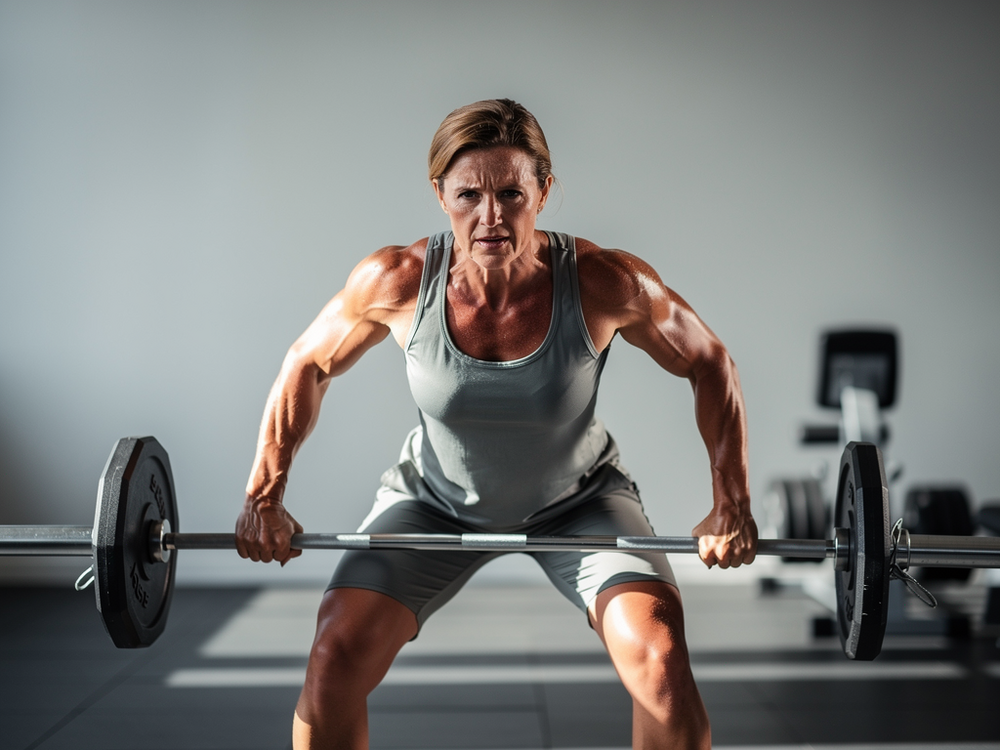
You’re following the script. You lift weights, prioritize protein, get your steps in, and aim for eight hours of sleep. Yet, a deep, unshakeable fatigue clings to you, your strength is plateauing or declining, and muscle seems to be melting away while stubborn belly fat takes its place. This isn’t a story of slipping discipline; it’s a frustrating reality shared by countless active men and women in their 40s and 50s in online forums and locker rooms. The standard playbook—eat less, move more—is suddenly failing. For many, the missing link is a fundamental, age-related shift in a master regulator of vitality: growth hormone. Its gradual decline after 40 can create a state that mimics deficiency, leaving you exhausted and fighting a losing battle for your physique, despite doing everything “right.”
Unexplained Fatigue Despite Healthy Habits
The hallmark symptom isn't laziness, but a persistent, cellular-level tiredness that rest doesn’t fix. You might power through a workout but feel wrecked for days, or you sleep through the night yet wake up unrefreshed. This specific type of fatigue is a common complaint in communities like ExcelMale and LetsRun, where otherwise healthy, active individuals express confusion over their dwindling energy reserves. It’s the profound paradox of being fit but perpetually drained. For the lifelong athlete or dedicated gym-goer, this isn't just an inconvenience; it's a demoralizing signal that the tools which once guaranteed results are now losing their power. Generic advice to “sleep more” or “reduce stress” feels insufficient because it fails to address the underlying hormonal engine that’s starting to sputter.
How GH Pulses Fade After 40
To understand why you feel this way, you need to understand how growth hormone works. GH isn’t a constant drip; it’s released in powerful, pulsatile bursts. The most significant pulses occur during deep, slow-wave sleep, with smaller ones triggered by high-intensity exercise and certain nutritional states. After age 40, the problem isn’t just a slow decline in total output—it’s a fundamental breakdown in this pulsatile rhythm. Research indicates the amplitude (strength) of each pulse diminishes, and the frequency, especially of those critical sleep-related pulses, decreases. Your body isn't just producing less GH; it's losing the rhythmic, restorative signaling essential for repair and rejuvenation. Let's explore how this impacts even fit adults.
Pulse Loss in Fit Adults
This change is particularly insidious for fit individuals. You may maintain an excellent exercise-induced GH spike from a heavy squat session, but if the foundational, nocturnal pulses are blunted, your body misses its primary window for systemic repair. Think of it like a city’s power grid: you can still get a surge from a specific generator (exercise), but the steady, reliable base load from the main plant (sleep pulses) is fading. This erosion of the baseline rhythm undermines the very recovery that fitness depends on.
Impact on Recovery Despite Exercise
When these restorative pulses weaken, your capacity to recover fully from training stress plummets. The muscle micro-tears from a hard workout, the metabolic byproducts, the cellular cleanup—all these processes rely on strong GH signaling. Without it, you exist in a state of low-grade, cumulative fatigue. Each workout adds to a recovery debt instead of building resilience, explaining why you might feel constantly run-down even though you're staying active. This is a key reason why you might be tired all the time even when exercising regularly at 50.
Are you also struggling with energy dips during specific times? Read about why do men feel tired all the time after 30.
The body's natural processes are complex and interconnected. Now, let's consider the dreaded fitness plateau that often emerges during this time.
The 40s Fitness Plateau Trigger
This hormonal transition is often the hidden catalyst for the dreaded midlife fitness plateau. The same training and nutrition regimen that once built muscle and shredded fat now yields diminishing returns. Muscle protein synthesis, the process of building new muscle, requires a robust anabolic signal. GH is a key part of that signal. As it wanes, your body’s balance tilts subtly toward catabolism (breakdown), making it challenging to maintain lean mass, leading to that feeling of suddenly losing muscle after 40 no matter what I do. Concurrently, GH’s role in lipid metabolism becomes less effective. Fat, particularly visceral belly fat, becomes easier to store and harder to mobilize, leading to the confusing experience of gaining belly fat at 42 despite consistent habits.
Symptoms in Active Adults
The signs of age-related GH decline manifest in specific, frustrating ways for those who are physically engaged.
Recharge Your Body's Natural Power
 👉 Explore Natural Solutions
Optimize your sleep and training for sustained energy and strength.
Performance Drops
You’ll notice it in the gym first. Your one-rep max stagnates or drops. Your endurance during circuits or runs falters. You need more rest days between intense sessions, and the motivational “spark” to train hard can dim. This isn’t a psychological issue; it’s a physiological limit. Your body’s ability to generate power, clear fatigue-inducing metabolites, and neurologically drive muscles is being hampered by a shifted hormonal milieu.
Body Composition Changes
The visual evidence is often the most discouraging. A slow, steady loss of muscular definition and hardness occurs, often accompanied by a softening around the midsection, even if the scale hasn’t moved much. This shift in body composition—losing lean tissue while gaining or redistributing fat to the abdomen—is a classic sign. It feels like your body’s “set point” has been recalibrated against you.
Why Exercise Alone Fails Now
This is the core frustration echoing through health forums: the realization that the twin pillars of diet and exercise are no longer sufficient by themselves. The context has changed. Exercise remains a potent stimulus for GH release, but if the baseline pulse pattern is blunted, the overall effect is like shouting into a storm—the signal gets lost. Furthermore, a vicious cycle can ensue. The fatigue from poor recovery makes high-intensity training (the best natural GH stimulus) feel impossible, so you train less intensely, which further reduces the stimulus, accelerating muscle loss and fat gain. Notably, some men on testosterone replacement therapy (TRT) report that issues like stubborn belly fat and poor recovery persist, highlighting that optimizing testosterone alone doesn’t solve a parallel decline in the growth hormone axis.
If you are experiencing energy issues due to shift work, explore how to boost sex drive when you work night shifts male.
It's important to understand that individual results can vary. Let's consider some strategies for optimizing your body's natural GH response.
Optimizing Natural GH Response
You cannot turn back the clock, but you can strategically amplify your body’s remaining capacity to produce and utilize growth hormone. The goal is to become a master of signaling, reinforcing the natural triggers that prompt its release.
Scientific Evidence
Optimize Sleep for GH Pulses
Sleep quality is the non-negotiable foundation. The largest GH pulses are tied to deep, slow-wave sleep. Prioritizing 7-9 hours in a pitch-black, cool room is essential. Establish a consistent pre-sleep ritual to calm the nervous system. This isn’t just about feeling rested; it’s about directly protecting and maximizing your most powerful remaining window for endogenous GH release and cellular repair.
Nutrition and Training Adjustments
Your workout and diet strategies need intelligent refinement. Incorporate brief, high-intensity efforts like sprint intervals (HIIT) or heavy, compound lifts (e.g., squats, deadlifts, pull-ups), as these are proven potent triggers for GH secretion. Nutritionally, focus on protein timing—consuming a quality protein source within an hour after resistance training can synergize with the exercise-induced GH pulse to boost muscle protein synthesis. Some evidence also suggests that short-term fasting (like a 16-hour overnight fast) can stimulate GH release, though this must be balanced against energy needs for training. Crucially, avoid chronic, severe calorie restriction, which can suppress hormonal function further. Growth hormone in the aging male is a complex topic, and multiple factors influence its levels.
Evaluating Your Path Forward: A Realistic Comparison
Given the complexity of hormonal changes after 40, there is no one-size-fits-all solution. The right approach depends on your symptom severity, lifestyle capacity, and health status. The following table outlines realistic pathways, focusing on evidence-based and safety-first principles.
| Approach | Best For | Timeline for Noticeable Change | Key Consideration |
|---|---|---|---|
| Lifestyle Optimization | Those with mild symptoms, a strong preference for natural methods, and the ability to commit to sleep, diet, and training changes. | 3-6 months | Requires high consistency. Improves overall health regardless of GH impact. The first step before any other intervention. |
| Targeted Supplementation* | Individuals who have optimized lifestyle for 6+ months but still struggle, seeking additional support from well-researched nutrients. | 2-4 months (with lifestyle) | Focus on ingredients with some mechanistic evidence (e.g., certain amino acids). Avoid products with miracle claims. Quality and purity vary widely. |
| Comprehensive Hormone Evaluation | Those with significant, debilitating symptoms (severe fatigue, rapid muscle loss) unresponsive to diligent lifestyle efforts, or individuals already on TRT without full resolution. | Varies post-diagnosis | Involves consulting an endocrinologist to test IGF-1 and other markers. Rules out other conditions. Essential step before considering any medical therapy. |
*Note: "Supplementation" refers to general categories of nutrients (e.g., amino acid blends), not specific brand-name products.
When to Seek Specialist Help
If you have diligently applied evidence-based lifestyle strategies for several months—prioritizing sleep, refining nutrition, and adjusting training—yet still face profound fatigue, ongoing muscle loss, or distressing body composition changes, it is prudent to consult a healthcare professional. An endocrinologist or a physician specializing in hormone health can help navigate this complex landscape.
Testing GH/IGF-1
While directly measuring GH pulses is impractical, a blood test for Insulin-like Growth Factor-1 (IGF-1) serves as a useful snapshot. IGF-1 is produced by the liver in response to GH and reflects its average activity over time. Testing provides an objective baseline, helps distinguish between normal age-related decline and a more significant deficiency, and rules out other potential issues.
Avoiding Unproven Therapies
The market is saturated with over-the-counter “GH booster” supplements making dramatic claims. The clinical evidence for most is weak or nonexistent. A far safer and more foundational strategy is to master the proven natural levers you control. If prescription GH therapy is discussed, it must only be under strict, ongoing medical supervision due to potential side effects (like fluid retention, joint pain, and insulin resistance) and significant contraindications. The guiding principle should always be to maximize your body’s innate production first.
If you are using a testosterone booster not working sleep deprivation cortisol, it might be worth considering these factors.
It's essential to take a holistic approach to wellness. Let's address some frequently asked questions about this topic.
Frequently Asked Questions
This is the central paradox. While your habits are excellent for general health, after 40, your internal hormonal signaling undergoes a significant shift. The reduction in growth hormone pulses, particularly the deep sleep-associated ones, directly impairs cellular repair, energy production, and metabolic efficiency. Your body is essentially running on a weakened recovery and renewal system, which diet and exercise alone cannot fully compensate for, leading to persistent fatigue.
Q: How long does it take to see results from optimizing natural GH production?Supporting your hormonal system is a medium-term commitment, not a quick fix. You may notice improved sleep quality and better workout recovery within a few weeks of consistent sleep hygiene and training adjustments. More tangible changes in sustained energy levels, body composition, and muscle retention typically become clearer after 3 to 6 months of dedicated effort across all lifestyle domains.
Q: Are "growth hormone booster" supplements safe and effective?Most over-the-counter supplements marketed as GH boosters have limited robust clinical evidence to support their dramatic marketing claims. Their safety, purity, and dosage can be questionable. A more reliable and safer approach is to invest your effort and resources into the proven natural strategies: prioritizing deep sleep, engaging in high-intensity exercise, optimizing protein timing, and managing stress. Always discuss any new supplement with your doctor.
Q: I'm on testosterone therapy (TRT) but still losing muscle and gaining belly fat. Why?Testosterone and growth hormone work in concert to regulate body composition, recovery, and metabolism. TRT addresses one critical piece of the puzzle but does not directly correct an age-related decline in GH pulsatility. You may have optimized your testosterone levels, but if your GH output is low, you can still experience poor recovery rates, stubborn visceral fat accumulation, and suboptimal muscle protein synthesis. This scenario underscores the need for a comprehensive hormonal evaluation.
Q: Is this process different for women, especially around perimenopause?Absolutely. The hormonal turbulence of perimenopause can accelerate and complicate these changes. Declining estrogen levels can directly disrupt sleep architecture, further impairing the quality of GH pulses. Furthermore, estrogen loss influences fat distribution, often leading to increased abdominal storage. For women experiencing symptoms like gaining belly fat at 42 after starting perimenopause or constant fatigue despite regular exercise, it’s often a multifactorial issue where GH decline interacts powerfully with shifting sex hormones.
📌 Love this guide? Save it on Pinterest!
Pin Tired After 40 Even When Fit? Growth Hormone Decline in 2026 to your board so you can come back to it later.

