

For women navigating perimenopause and menopause who are already committed to a healthy lifestyle, the search for relief can be uniquely perplexing. You’re eating a balanced diet, maintaining a regular exercise routine, and practicing stress management, yet hot flashes, night sweats, and mood swings persist with frustrating intensity. The conversation around Hormone Replacement Therapy (HRT) is layered with complexity, and many women are understandably cautious due to personal health history, family risk factors, or a simple preference for a more holistic path. This has fueled a significant demand for clear, evidence-based guidance on natural alternatives to hormone replacement therapy. This guide moves beyond generic lists to provide a realistic, personalized framework for women who have mastered the basics but need a deeper, more targeted strategy for symptom management.
Why Seek Natural HRT Alternatives?
The decision to explore paths outside of conventional HRT is often a deeply personal one, rooted in individual risk assessment, health philosophy, and sometimes medical necessity. While HRT remains one of the most effective treatments for moderate to severe symptoms, concerns about long-term use, a personal or family history of hormone-sensitive cancers, or conditions like blood clots lead many to seek other options. It’s essential to approach natural HRT alternatives with grounded expectations; they typically aim for meaningful symptom reduction and improved quality of life, not a complete eradication of menopause. For women who are already health-conscious, this path aligns with a desire to support the body’s own adaptive processes, though it requires patience and a nuanced understanding of what “natural” truly entails in terms of efficacy and safety.
Find relief naturally with targeted support.
 👉 Explore Natural Solutions
Discover personalized strategies for managing menopause symptoms effectively.
Top Evidence-Backed Herbal Remedies
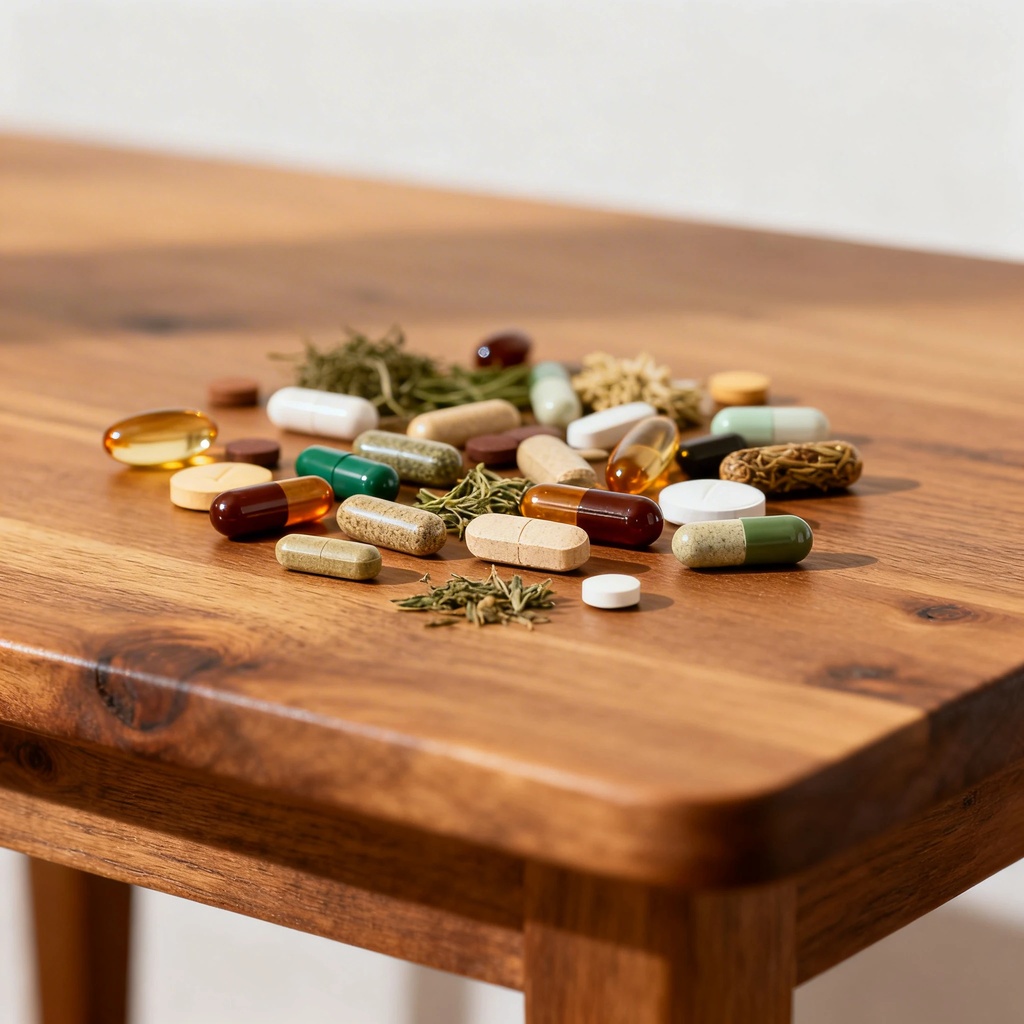
Several botanicals have accumulated both traditional use and modern clinical research for managing menopausal discomfort, particularly vasomotor symptoms like hot flashes and night sweats. Their mechanisms vary, offering different pathways to relief that may resonate with different individuals. It’s crucial to view these not as miracle cures but as potential tools within a broader toolkit, understanding that their effects can be subtle and cumulative.
Black Cohosh: The Well-Studied Contender
Black cohosh is perhaps the most researched herb for menopause. It does not contain phytoestrogens but is thought to act on serotonin receptors in the brain, which may help modulate the body’s temperature regulation and perception of hot flashes. Standardized extracts are recommended for consistency. Research suggests it may take 4 to 12 weeks of consistent use to notice a reduction in the frequency and severity of symptoms. It is generally considered safe for short- to medium-term use (up to six months to a year), but women with liver conditions should avoid it, and it may interact with certain medications.
Red Clover and Its Isoflavones
Red clover contains bioflavonoids called isoflavones, which are plant-based compounds with mild estrogen-like activity. These isoflavones can bind to estrogen receptors in the body, potentially providing a gentle, modulating effect that some women find helpful for hot flashes and bone density support. Studies on its efficacy have shown mixed results, which highlights an important point: individual biochemistry plays a significant role. For some women, it offers noticeable relief; for others, the effect is minimal.
Sage for Cooling Relief
Sage has a long tradition of use for reducing excessive sweating, including the night sweats of menopause. Its mechanism is believed to be related to its astringent and potentially estrogen-modulating properties. While robust clinical trials are fewer, anecdotal and some preliminary research supports its use for this specific symptom. It is often consumed as a tea. As with all herbs, sourcing from a reputable supplier is key to ensure purity and potency.
Consider exploring biotin tablets for hair growth as a complementary approach to overall wellness during this transitional phase.
Vitamins and Supplements to Consider
Beyond herbs, specific micronutrients play direct roles in neurological function, vascular health, and hormonal balance, making them relevant targets for symptom management. Integrating these requires an understanding of realistic outcomes and timelines.
Vitamin E has shown promise in clinical settings for reducing the frequency of hot flashes instead of HRT. The effect is typically moderate—think of a reduction in severity or number, not elimination—but for many women, this reduction is meaningful. A consistent daily dose, as studied in trials, is necessary, and benefits may become apparent after several weeks. Hormone Therapy and Other Treatments for Symptoms of Menopause explores various options for managing these symptoms. Omega-3 Fatty Acids, found in fish oil, are powerful anti-inflammatories that support brain and cardiovascular health. They may help stabilize mood, ease joint discomfort, and support overall cellular function during hormonal shifts. Their benefits are foundational and cumulative. B-Complex Vitamins are crucial cofactors in energy production and the synthesis of neurotransmitters that regulate mood and stress response. Since stress can dramatically amplify menopausal symptoms, ensuring optimal B-vitamin status is a supportive, often overlooked strategy. A high-quality B-complex can be beneficial, especially for women under chronic stress or with dietary restrictions.Let's consider how these elements can be integrated into daily routines. Many women find that lifestyle adjustments can significantly impact their overall well-being.
Lifestyle Changes That Actually Help
When you already have a solid foundation of healthy habits, the next step involves precision tweaks specifically calibrated for the hormonal fluctuations of menopause. This is where generic advice falls short for the active, health-conscious woman.
For men also seeking to optimize their health, understanding the role of best testosterone pills for men over 40 with high blood pressure can be beneficial.
For the woman battling night sweats despite regular exercise, the type and timing of activity matter. High-intensity workouts late in the day can raise core body temperature and potentially disrupt sleep, whereas practices like yoga, Pilates, or brisk morning walks can support circadian rhythms and stress resilience without triggering symptoms.
Dietary adjustments go beyond simply eating “clean.” Identifying and reducing personal triggers is key. Common vasodilators like caffeine and alcohol can precipitate hot flashes in many women. Conversely, consistently incorporating phytoestrogen-rich foods—such as ground flaxseed, tempeh, or whole soy foods—can provide gentle, dietary support. Adequate calcium and vitamin D intake is also critical for long-term bone health, independent of symptom relief.
Stress management transitions from a wellness luxury to a non-negotiable tool. Chronic stress elevates cortisol, which can worsen hot flashes, sabotage sleep, and destabilize mood. Techniques like mindfulness meditation, diaphragmatic breathing, or even regular nature walks act as direct interventions to calm the nervous system and reduce the physiological burden of symptoms.
Scientific Evidence
Building Your Personalized Relief Plan
The key to success with natural HRT alternatives is strategic integration and personalization, not a single magic bullet. A scattershot approach of trying multiple new supplements at once makes it impossible to identify what’s actually working. The following table compares different strategic approaches to help you visualize a starting point.
| Approach | Best For | Timeline for Noticeable Effect | Key Consideration |
|---|---|---|---|
| Lifestyle-First Optimization | Women with mild symptoms or those wanting to build a foundation before adding supplements. Focuses on diet precision, exercise timing, and dedicated stress tools. | 4-8 weeks | Requires consistent daily habit change. May not be sufficient for moderate to severe vasomotor symptoms on its own. |
| Targeted Single-Supplement | Women with one dominant, bothersome symptom (e.g., only hot flashes). Adding one evidence-backed herb or nutrient like black cohosh or vitamin E. | 8-12 weeks | Allows for clear evaluation of that supplement’s effect. Patience is required to pass the initial adjustment period. |
| Combined Protocol | Women with multiple, persistent symptoms who have already tried singular approaches. Integrates a foundational supplement (e.g., Omega-3s), a symptom-specific herb, and a dedicated mind-body practice. | 12+ weeks | Most comprehensive but also most complex. Requires careful introduction of one element at a time and ongoing symptom tracking. |
Begin by tracking your symptoms for one to two weeks in a simple journal, noting their frequency, intensity, and potential triggers. Then, based on your primary concern, select one intervention from your chosen approach. Introduce it consistently, give it an adequate trial period (often 8-12 weeks for supplements), and monitor changes in your journal before adding or changing anything else. This methodical process turns guesswork into a personalized data-driven plan.
Non-Herbal and Mind-Body Approaches
Some of the most powerful natural alternatives to HRT aren’t ingested at all. These approaches work by changing your body’s response to symptoms and improving overall resilience.
Cognitive Behavioral Therapy (CBT) for menopause is a well-researched, non-drug intervention. It doesn’t stop hot flashes but helps change the negative thought patterns and distress associated with them. By reducing the catastrophic thinking around a flash (“I’m losing control”), CBT can lessen their perceived severity and impact on sleep and mood, offering a realistic improvement in quality of life. Paced Respiration is a simple breathing technique that involves slow, deep, abdominal breaths. Practiced regularly, it can increase parasympathetic (“rest and digest”) nervous system activity and has been shown in studies to reduce the frequency of hot flashes. It’s a tool you can use anywhere to help abort a flash as it begins.Addressing mental well-being is crucial, and understanding Why do I feel mentally exhausted every day can provide additional support.
Practical Cooling Strategies provide immediate physical relief that complements internal approaches. Using moisture-wicking bedding and sleepwear, keeping a cool gel pack by the bed, and dressing in layers are simple yet profoundly effective tactics that give you back a sense of control.It's important to remember that individual experiences can vary widely. Let's discuss some crucial safety considerations to keep in mind.
Safety, Interactions and When to Seek Help
An honest discussion about safe natural options to hormone therapy menopause must underscore that “natural” does not mean “risk-free” or “without interaction.” Herbs and high-dose supplements are biologically active compounds.
Before starting any new supplement, a conversation with your healthcare provider is essential. This is non-negotiable if you have pre-existing health conditions (especially liver issues, hormone-sensitive cancers, or bleeding disorders) or are taking medications like blood thinners, antidepressants, or thyroid medication. A provider can help identify potential contraindications.
Furthermore, it’s vital to recognize the limitations of a natural approach. If you have diligently followed a well-structured, evidence-informed regimen for 3 to 6 months and see no meaningful improvement in your symptom burden or quality of life, this is important data. It is a clear sign to re-engage with a menopause specialist or gynecologist. The landscape of HRT has evolved, with options including lower doses, different delivery methods, and shorter durations that may align better with your updated risk profile and need for relief. Persisting with ineffective alternatives when you are suffering is not a virtue; it’s okay to reconsider all options with a specialist.
Frequently Asked Questions
It’s important to set realistic expectations. For most women, high-quality natural alternatives to HRT can provide meaningful symptom reduction and improved quality of life, but they are generally not as potent as prescription HRT for severe symptoms. Think of them as offering significant relief—potentially reducing hot flash frequency or severity by a noticeable degree—rather than eliminating them entirely. Their value lies in a different risk profile and a holistic approach that many women prefer, especially for managing mild to moderate symptoms.
I already eat healthy and exercise. Why aren’t generic natural remedies helping my hot flashes?This is a common and valid frustration, highlighting a key content gap. A foundational healthy lifestyle is excellent for overall health but may not be enough to counter significant hormonal shifts. The next step is targeted, precision intervention. You may need a specific, clinically-studied dose of an herb like black cohosh, combined with a nutrient like vitamin E and a behavioral tool like paced breathing. It’s about addressing the specific physiological mechanisms of your symptoms, not just general wellness. Your healthy baseline is a tremendous asset, but it now needs to be leveraged with more specialized tools.
What is the most important safety step before trying a natural supplement for menopause?The single most important step is consulting with your healthcare provider. Share the specific supplement, its dosage, and the reason you want to try it. Your provider can check for interactions with your current medications, review your personal and family medical history for contraindications (like liver issues with black cohosh), and help you establish a timeline for evaluating its effectiveness. This partnership is crucial for safe natural options to hormone therapy menopause.
Are there any red flags that mean I should stop a natural remedy and see a doctor?Yes. Discontinue use and consult your doctor promptly if you experience any severe side effects such as an unexplained rash, significant digestive upset, or symptoms that could indicate liver stress, including unusual fatigue, yellowing of the skin or eyes, dark urine, or severe abdominal pain. Additionally, any new or unusual vaginal bleeding should be evaluated by a doctor immediately, regardless of the supplements you are taking.
How long should I try a natural alternative before deciding if it works for me?Most herbal remedies and supplements require a consistent, daily trial of at least 8 to 12 weeks to gauge their full effect on hormonal symptoms. The body needs time to adapt and respond. Lifestyle and mind-body practices may offer more immediate benefits in terms of stress reduction and coping. Keeping a simple symptom diary is the best way to track subtle, gradual improvements that you might otherwise miss.
📌 Love this guide? Save it on Pinterest!
Pin Natural Menopause Relief 2026: Effective Alternatives to HRT for Hot Flashes to your board so you can come back to it later.

