

If you’re already doing the right things—prioritizing sleep, eating well, and staying active—but still find your focus scattering during a critical afternoon work session or study block, you’re not alone. A quiet frustration is growing among health-conscious professionals and students: why does brain fog still hit, and can something like L-theanine actually make a difference? Online forums are filled with people who are skeptical of vague promises, seeking a clear, no-hype explanation of what L-theanine does to the brain. They want to understand the real mechanisms, not just hear about a "calm focus" buzzword. This article cuts through the confusion, explaining the science of L-theanine specifically for those who already have a solid lifestyle foundation but need an extra edge for mental clarity without the jitters.
How L-Theanine Interacts with Brain Chemistry
L-theanine, an amino acid found primarily in tea, works by subtly shifting the balance of key chemical messengers in your brain. It doesn't force your brain into a state of calm or focus like a pharmaceutical might; instead, it gently nudges several systems toward equilibrium. The primary mechanism of action involves two major neurotransmitters: glutamate and GABA. Glutamate is your brain's main excitatory signal, essential for learning and alertness, but too much can lead to overstimulation and stress. L-theanine appears to block some glutamate receptors, dialing down potential over-excitation. Simultaneously, it promotes the activity of GABA, your brain's primary calming neurotransmitter, which helps quiet background neural noise. This dual action on glutamate and GABA is central to understanding how L-theanine works for focus and calm—it helps smooth out the peaks of overstimulation and the valleys of distraction.
For someone with a healthy, active lifestyle, your brain's chemistry is already relatively balanced. L-theanine's role here is not to correct a major deficiency but to provide a modulating effect during periods of high cognitive demand or stress. By promoting GABA and tempering glutamate, it may help prevent the scattered, anxious feeling that can come from prolonged mental effort, essentially helping your brain maintain its composure under pressure.
Beyond GABA and Glutamate: Dopamine and Serotonin Pathways
Beyond the primary glutamate/GABA balance, L-theanine influences other pathways. Research suggests it can lead to mild, temporary increases in dopamine and serotonin—neurotransmitters linked to mood, motivation, and a sense of well-being. This is likely why users often report a subtle mood lift alongside improved concentration. Importantly, this modulation is gentle and indirect, which is why the effects feel smooth and not "speedy" or euphoric like a stimulant. It’s a fine-tuning of existing systems, not an override.
The Alpha Wave Connection
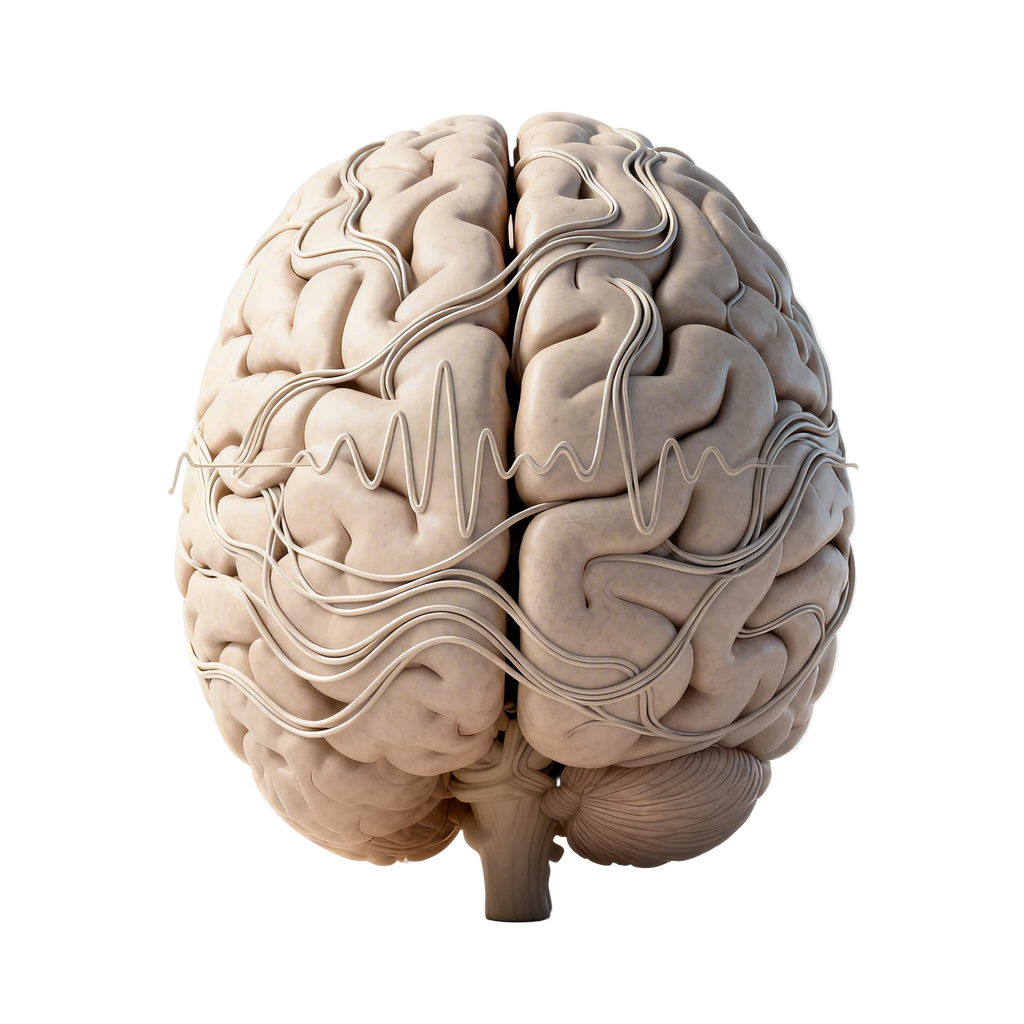
Brain imaging studies provide a visible clue to how L-theanine affects brain chemicals. It has been shown to increase alpha brain wave activity. Alpha waves are associated with a state of "wakeful relaxation"—you’re alert and ready to engage, but not tense or hyper-vigilant. This is the electrophysiological signature behind the reported feeling of calm focus, bridging the gap between chemical action and subjective experience.
Let's consider how these subtle shifts can translate into tangible benefits.
Real Effects on Focus, Stress, and Calm
So, what does L-theanine do for someone who isn't sleep-deprived or nutritionally deficient? Clinical research and user reports point to specific, evidence-based outcomes. The most consistent finding is an improvement in sustained attention and the ability to switch between tasks efficiently. This isn't about superhuman concentration; it's about reducing mind-wandering and maintaining performance on demanding cognitive work. For stress, the effects are more nuanced. L-theanine can take the sharp edge off situational stress—like pre-presentation nerves or deadline pressure—by reducing the physiological arousal (like a racing heart) that accompanies it. However, it is not a cure for chronic, severe anxiety disorders. A recent study examined the Effects of L-theanine-caffeine combination on sustained attention and inhibitory...
The evidence for L-theanine brain fog benefits is particularly relevant for our audience. If your fog stems from cognitive overload or low-grade stress despite good habits, L-theanine’s calming modulation may help clear the mental static, allowing prioritized thoughts to come through more clearly. It’s less about adding energy and more about reducing noise.
The Caffeine Synergy Explained in Depth
This is where L-theanine truly shines for the target audience. Caffeine alone can improve alertness but often at the cost of increased anxiety, jitteriness, and a subsequent crash. L-theanine combined with caffeine (in a roughly 2:1 ratio, like 200mg L-theanine to 100mg caffeine) appears to smooth out these negative side effects. The combination allows the alertness benefits of caffeine to come through while the L-theanine mitigates the overstimulation, leading to a more productive and comfortable state of focused energy. This synergy is why L-theanine with caffeine for concentration is a popular protocol. It creates a functional balance, offering mental clarity without jitters.
Who It Helps and Who It Doesn’t: Setting Realistic Expectations
A major content gap in popular articles is the failure to address when L-theanine underperforms, leading to disappointment. This directly addresses the forum complaints from optimized individuals who found it didn’t meet their hopes.
Sharpen focus, reduce stress naturally.
 👉 Explore Natural Solutions
Support your cognitive function with a gentle, effective boost.
L-theanine is best for healthy individuals experiencing:
- Situational stress and anxiety from work, studies, or social pressures.
- Focus disruption due to mental clutter or overstimulation.
- The desire to use caffeine more effectively without side effects.
- Mild, occasional brain fog when foundational health is already in check.
L-theanine is likely not the primary solution for:
- Clinically diagnosed anxiety disorders, depression, or ADHD.
- Severe, chronic brain fog caused by medical conditions (e.g., sleep apnea, hormonal imbalances).
- Individuals with chronically poor sleep or nutritional deficiencies expecting it to be a substitute.
- Anyone seeking a strong stimulant-like effect or immediate euphoria.
A common myth is that L-theanine is a powerful, standalone anxiolytic that will eliminate serious anxiety. For individuals with clinical anxiety disorders, its effects are often too mild to be a primary solution. Another myth is that it provides an immediate, dramatic boost in energy or motivation like a stimulant; it does not. Its effects on focus are supportive and subtle. If you already sleep well, eat clean, and exercise, L-theanine is not going to correct issues rooted in other underlying problems. It is a modulator, not a fixer. For healthy, optimized individuals, it works best as a fine-tuning agent for specific high-demand situations, not a foundational correction.
Now, let's explore practical considerations for incorporating L-theanine into your routine.
Safety, Dosage, and Realistic Timelines
L-theanine is generally recognized as safe for daily use by most healthy adults. Research studies have used doses up to 900mg daily for short periods without serious adverse effects, supporting its profile for daily use. Typical supplemental doses for cognitive benefits range from 100mg to 400mg per day. The most commonly reported side effect is mild drowsiness, especially at higher doses, which is why many prefer to take it in the morning or early afternoon.
What to Expect: Onset and Cumulative Effects
Managing expectations is crucial. L-theanine is not an instant fix. When taken alone for calm, some effects can be felt within 30-60 minutes. For focus benefits, especially in combination with caffeine, the synergistic effect is also relatively fast-acting. However, for cumulative benefits on baseline stress resilience or attention over time, a consistent daily regimen for 4-8 weeks may be necessary to observe more pronounced effects. The goal is a subtle but noticeable improvement in your ability to handle cognitive load smoothly. If you don't feel anything dramatic after a single dose, that's normal and aligns with its gentle mechanism of action.
Scientific Evidence
Important Considerations for Specific Groups
While safe for most, individuals with very low blood pressure should use caution, as L-theanine may have a mild blood pressure-lowering effect. It's always wise to consult a doctor if you are pregnant, breastfeeding, or taking prescription medications for blood pressure or anxiety/sleep disorders (like benzodiazepines), to check for potential interactions. The supplement is not a substitute for medical treatment.
For men seeking an edge, also consider if you need to boost your vitality with the best testosterone supplement for men over 45 who workout but still feel weak.
A Framework for Cognitive Support: Comparing Approaches
For the health-conscious individual, L-theanine is just one potential tool in a broader toolkit. Understanding where it fits among other strategies can help you make a more informed decision. The following table compares realistic approaches to managing focus and stress, highlighting where L-theanine supplementation might logically sit.
| Approach | Best For | Timeline for Noticeable Effect | Key Consideration |
|---|---|---|---|
| Lifestyle Optimization | Building a resilient, long-term foundation for brain health. Anyone starting their wellness journey. | Weeks to months of consistent habit formation. | Non-negotiable base. Includes sleep, nutrition, exercise, and stress management. No direct cost for supplements, but requires high discipline. |
| Targeted Supplementation (e.g., L-theanine) | Individuals with solid lifestyle habits who need targeted support for specific situations like afternoon focus or caffeine jitters. | Minutes to hours for acute effects; weeks for baseline modulation. | Functions as a fine-tuning tool, not a foundation. Effectiveness depends heavily on the individual's unique neurochemistry and existing health status. |
| Combined Protocol (Lifestyle + Targeted Supps) | The busy professional or student who has good habits but faces periodic high-demand challenges. This is the core audience for this article. | Acute benefits from supplements are fast; long-term resilience builds slowly from lifestyle. | Requires mindful integration. The supplement augments the lifestyle, never replaces it. This is where asking "does L-theanine help if I already sleep well?" is most relevant. |
| Medical Pathway | Addressing diagnosed clinical conditions (e.g., ADHD, Generalized Anxiety Disorder) that underlie focus and stress issues. | Varies by treatment; often weeks for full effect of prescribed interventions. | Essential when symptoms are severe or impairing. Supplements like L-theanine may be discussed as adjuncts but are not first-line treatment. |
What adjustments can you make to your daily routine to maximize the benefits?
Integrating L-Theanine into an Optimized Routine
For the busy professional or student with good foundational habits, L-theanine should be viewed as a potential tool, not a cornerstone. The goal is thoughtful integration, not dependence. Start with a low dose (100-200mg) alongside your morning coffee or tea to test the synergy. Pay attention to whether it takes the jittery edge off your caffeine while preserving alertness. Alternatively, try 200mg during your typical afternoon slump window instead of a second coffee.
If you are also struggling with energy, consider Pre Workout Gummies, but be careful about overstimulation.
The key is to track its effect on your specific work output and stress levels over a week or two. Keep a simple log noting dose, timing, and subjective feelings of focus, calm, or any drowsiness. Remember, it is not a replacement for sleep, nutrition, or exercise. Use it to augment your already-good habits during periods of high demand. If after a fair trial you notice no difference, it may simply not be a necessary addition for your unique neurochemistry—and that's valuable information. This self-experimentation is what’s missing from generic advice and is crucial for the already-optimized individual.
Also, consider how to increase libido after quitting porn by fixing sleep and hormones for a holistic approach to wellness.
Choosing a Quality Supplement and First Steps
L-theanine is available in capsule, tablet, and powder forms. For ease of dosing and consistency, capsules are often preferred. Since you cannot rely on brand names, look for indicators of quality. A reputable supplement will clearly state the amount of L-theanine per serving (typically 100-200mg). Many quality manufacturers use "Suntheanine," a patented, clinically studied form that ensures purity, but the label may not always use this trademarked term. The most reliable indicator is third-party testing certification from independent organizations like USP, NSF International, or ConsumerLab. This verifies that the product contains what it claims and is free from contaminants.
Before you try any supplement, your first step should always be a candid audit of your foundational habits. Is your sleep truly consistent and restorative? Is your diet balanced and supportive of energy? Is your stress management active, not passive? If there are significant gaps here, address them first. Supplements are most effective on a solid base. Then, if you choose to try L-theanine, start low, go slow, and observe objectively.
Frequently Asked Questions
When taken with caffeine for focus, effects can often be felt within 30-45 minutes. For standalone use to promote a calm state, a similar timeframe applies. For long-term, cumulative benefits on baseline stress resilience, consistent daily use for several weeks may be needed.
Is L-theanine safe for daily long-term use?Current research suggests L-theanine is safe for daily use over extended periods. Studies have not identified significant long-term side effects. However, as a general principle with any supplement, occasional breaks or cycling can be a prudent approach to see if it remains necessary for your routine.
Can L-theanine help with brain fog if I already get good sleep and exercise?Potentially, yes. If your brain fog is related to transient stress, overstimulation, or mild anxiety that disrupts concentration, L-theanine's calming effect may help clear mental noise. However, if your brain fog has other causes (like dehydration, dietary sensitivities, or other subclinical health conditions), it may not be as effective. It works best on fog caused by "too much brain traffic," not "not enough brain fuel."
What’s the difference between the effects of L-theanine and a prescription anti-anxiety medication?Prescription medications for anxiety (like SSRIs or benzodiazepines) typically have a stronger, more direct, and systemic effect on brain chemistry to treat a disorder. L-theanine’s effect is milder, more subtle, and modulatory. It’s better suited for taking the edge off everyday stress rather than treating clinical anxiety. They operate on different scales of intervention.
Will L-theanine make me sleepy during the day?At standard doses (100-200mg), it typically promotes relaxed focus without drowsiness. However, higher doses (400mg+) or individual sensitivity can sometimes cause mild sleepiness. It's best to start with a lower dose in the morning to assess your personal tolerance. If you feel overly relaxed, simply lower your dose.
📌 Love this guide? Save it on Pinterest!
Pin L-Theanine for Focus: 2026's Guide to Brain Benefits Without the Hype to your board so you can come back to it later.

