
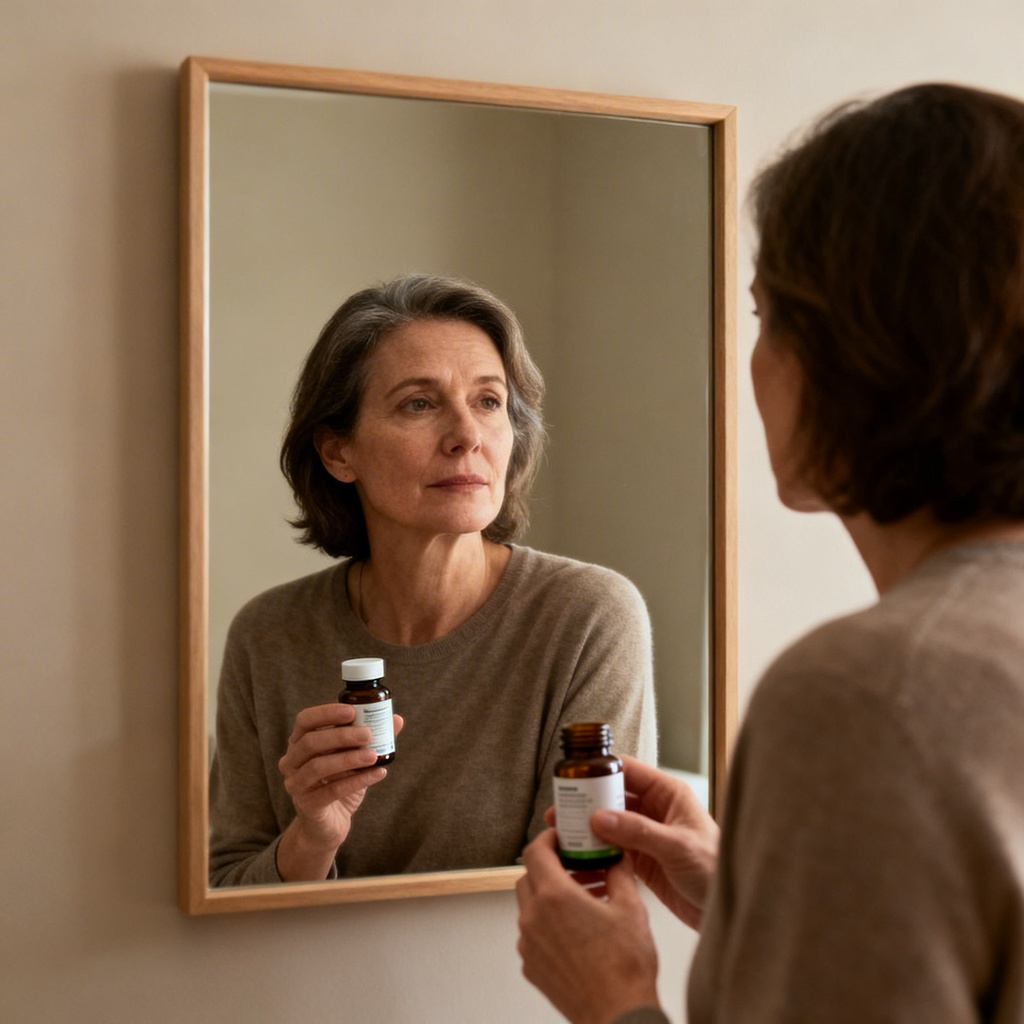
If you’re scrolling through Reddit’s r/Supplements or r/Hormones, you’re part of a growing, frustrated chorus. Women in their late 40s and early 50s are voicing a shared, confusing experience: meticulously following popular anti-aging lists and even using hormone therapy, yet watching their skin lose its fight with gravity and their energy levels crash without explanation. This isn’t a failure of your willpower; it’s a fundamental mismatch between generic wellness advice and the unique biological revolution of perimenopause and menopause. The standard playbook is breaking down for women over 45, not because the supplements are inherently bad, but because the rules of the game have changed dramatically. This article delves into the hormonal and lifestyle realities that render old protocols ineffective and charts a new, integrated path forward.
The Invisible Failure: Why Supplements Fail During Perimenopause
You’ve invested in high-quality collagen, a cabinet full of antioxidants, and perhaps even bioidentical hormones, yet the mirror and your energy levels tell a story of decline. This disconnect is the core complaint echoing across online forums, where women describe a profound sense of betrayal by their own bodies and the wellness industry. The “invisible failure” happens because most supplement advice is designed for a body with a stable, youthful hormonal foundation—a foundation that is actively being dismantled during the menopausal transition. Taking a supplement without addressing the underlying hormonal environment is like trying to build a house on shifting sand; the materials might be excellent, but the foundation cannot support them. This is precisely why so many report that skin sagging and exhaustion persist even though I take anti aging supplements at 48, a sentiment gaining significant traction in community discussions.
Biological Mechanism: Estrogen Decline vs Supplement Efficacy
To understand the failure, we must start with estrogen’s master regulatory role. Estrogen is far more than a reproductive hormone; it is a key driver of collagen production, skin thickness, moisture retention, and mitochondrial function—the powerhouses in your cells that create energy. As estrogen levels plummet during perimenopause, the body’s innate ability to utilize building blocks for skin repair and energy production is severely compromised.
The Collagen Production Disconnect
The process isn’t as simple as “collagen in, collagen out.” Oral collagen is broken down into amino acids, which then need to be reassembled. Estrogen is a primary director telling your skin cells (fibroblasts) to perform this reassembly. Without its strong signal, the raw materials may circulate but aren’t efficiently directed to the right construction site, leading to lackluster results for skin firmness.
Mitochondrial Energy Drain
Estrogen supports mitochondrial health and efficiency. Its decline can lead to less efficient cellular energy (ATP) production, creating a systemic energy deficit. This makes you feel perpetually drained regardless of stimulants or energy-formula supplements you take, explaining the common experience of a fatigue hit after 45 even with perfect diet and supplement routine.
 👉 Explore Natural Solutions
Discover gentle yet effective ways to support vibrant skin and vitality.
Life Context Deep-Dive: How Career Stress Sabotages Anti-Aging Efforts
Biology doesn’t exist in a vacuum, and for women over 45, life context is everything. This is the crucial layer almost every generic supplement article ignores. The decade between 45 and 55 is often a peak period for high-stress careers, parenting teenagers, and caring for aging parents—a perfect storm for chronic stress. Chronic stress leads to elevated cortisol, a hormone that directly antagonizes your goals. Cortisol breaks down collagen and elastin, accelerating skin sagging. It also disrupts sleep, blood sugar balance, and gut health, further crippling your body’s ability to absorb and utilize any supplements you take. Therefore, an anti aging supplements list for stressed moms over 45 must look radically different from one for a low-stress individual. If you are in a state of constant “fight or flight,” your body prioritizes survival over luxury functions like skin elasticity, no matter what pills you swallow. how to talk to your partner about low sex drive as a man
It's time to consider how daily pressures impact supplement effectiveness. Let's explore how standard protocols can fall short.
Why Common Protocols Stop Working After 45
Standard anti-aging stacks often include high doses of ingredients that can become problematic in a changing hormonal landscape. For example, high-dose, unopposed certain vitamins or herbs can sometimes act as weak estrogens in some tissues while blocking them in others, creating confusion in a system already in flux. Other common ingredients might support detoxification pathways that are sluggish under chronic stress, potentially leading to side effects or no benefit. Furthermore, the interaction between over-the-counter supplements and prescribed hormone therapy is rarely discussed. Some supplements can interfere with the absorption or metabolism of hormone medications, making both less effective. This explains the confusion behind questions like ‘why am I still looking tired despite collagen and\ hormones perimenopause reddit’ users frequently post. The protocol itself may be creating unseen conflicts that generic lists never warn you about.
The Critical Role of Cortisol and Adrenal Health
While much focus is on estrogen, the stress hormone cortisol is an equal partner in this midlife shift. The phenomenon often termed “adrenal fatigue” or, more accurately, HPA axis dysfunction, is rampant in this demographic. Years of chronic stress can exhaust the body’s stress-response system. This leads to a state where you are both wired and tired—unable to relax yet devoid of real energy. In this state, the body is in catabolic (breakdown) mode, not anabolic (build-up) mode. No supplement aimed at building collagen or creating energy can work optimally when the underlying physiological message is to break tissues down for emergency fuel. Addressing cortisol dysregulation is not an optional add-on; it is the prerequisite for any anti-aging strategy to gain traction after 45. liposomal nmn vs regular nmn
Scientific Evidence
Consider how to adapt your approach for optimal results. A tailored strategy can make all the difference.
The Integrated Path Forward: Adapting Anti-Aging Lists for Hormonal Reality
The solution is not to abandon supplements but to adapt their use with strategic intelligence. This means shifting from a scattered, “more is better” approach to a targeted, foundational one. The goal is to create a stable internal environment where nutrients can finally be used effectively.
| Approach | Best For | Timeline for Noticeable Change | Key Consideration |
|---|---|---|---|
| Lifestyle-First Foundation | Those overwhelmed, on a budget, or new to the journey. Focuses on sleep, stress management, and strength training. | 4-8 weeks for improved sleep and energy; 3-6 months for structural skin changes. | Non-negotiable base for any other approach. Results are cumulative but sustainable. |
| Targeted Basic Supplementation | Individuals with established lifestyle habits who need targeted nutrient support for stress, collagen co-factors, and mitochondrial health. | 6-12 weeks for systemic effects like better stress resilience and reduced fatigue. | Requires understanding of key nutrient synergies and potential interactions with medications. |
| Integrated Protocol (Lifestyle + Targeted Supplements + Medical Support) | Women experiencing significant symptoms like persistent skin sagging and exhaustion even with previous efforts, often alongside HRT. | 3-6 months to assess full impact on skin and energy levels. | Needs coordination with a healthcare provider to ensure supplement and hormone therapy synergy and safety. |
| Specialist-Guided Hormone Optimization | Those for whom lifestyle and foundational supplements provide insufficient relief, with clinically diagnosed hormonal deficiencies. | Varies; hormone levels may adjust in weeks, but body-wide effects take several months. | Must be managed by a qualified professional. Supplements play a supportive, not primary, role here. |
The new thinking prioritizes supplements that work with your hormonal reality, not against it. This includes supporting the stress response with adaptogens, ensuring ample intake of collagen co-factors like Vitamin C and zinc, enhancing mitochondrial function with nutrients like CoQ10, and prioritizing gut health for optimal absorption. Every supplement must be viewed as an adjunct to non-negotiable lifestyle pillars. A 2021 study highlights the Effect of Vitamin-Containing Amino Acid Supplements on Menopausal Symptoms and..., suggesting potential benefits when integrated thoughtfully. testosterone booster not working sleep deprivation cortisol
A Step-by-Step Protocol for the Over-45 Reality
This isn’t about adding ten new bottles to your shelf. It’s about a phased, intelligent approach that directly addresses the complaint that no one explains why anti aging stacks fail in menopause quora. Start by pausing and auditing your current regimen. Introduce one foundational category at a time, such as stress support or sleep quality, for 4-6 weeks while focusing deeply on lifestyle. Then, layer in targeted nutrients for skin structure, like bioavailable collagen with its co-factors. Monitor your energy and skin closely, and consider working with a functional medicine practitioner or knowledgeable naturopath who understands the perimenopause landscape. They can help tailor choices, especially regarding interactions with hormone therapy.
Beyond Supplements: The Non-Negotiable Lifestyle Pillars
Ultimately, the most powerful “supplements” are free. No pill can compensate for poor sleep, chronic stress, or muscle loss. Strength training is a non-negotiable for women over 45; it builds muscle, which improves metabolic health and stimulates the body’s own production of supportive compounds. It also directly stresses skin and connective tissue in a positive way, encouraging remodeling. Prioritizing 7-8 hours of quality sleep is when the majority of cellular repair and hormone regulation occurs. Stress management through breathwork, meditation, or nature exposure is essential to lower cortisol. These pillars create the stable foundation upon which any intelligent supplement protocol can finally stand and deliver results.
Frequently Asked Questions

Manage your expectations realistically. While improved sleep or a calmer mood might be noticed within a few weeks, structural changes like improved skin firmness and a significant reduction in deep fatigue are slower. Given the hormonal and systemic shifts at play, a committed 3 to 6-month period is a more realistic timeline to judge efficacy, as it allows for cellular turnover and holistic adaptation.
Are these adapted supplements safe to take alongside hormone replacement therapy (HRT)?This is a critical question for your healthcare provider. While many foundational supplements like magnesium, vitamin C, or probiotics are generally safe, some herbs and high-dose nutrients can interact with HRT by affecting liver metabolism or hormone pathways. Always disclose all supplements to your prescribing doctor to ensure there are no contraindications with your specific hormone regimen.
I’m overwhelmed and on a budget. Where should I absolutely start?Start with the free lifestyle pillars: improve sleep hygiene and incorporate gentle strength training (like bodyweight exercises or resistance bands) 2-3 times a week. For one foundational supplement, consider a high-quality magnesium, as it is crucial for stress response, sleep, and hundreds of enzymatic processes, and is commonly depleted by chronic stress. This single, strategic step can have wide-reaching effects.
Is this approach only for women in full menopause, or should I start earlier?The earlier, the better. Perimenopause can start a decade before your final period. If you are in your early 40s and already noticing stubborn skin changes and energy dips, especially under stress, adopting this integrated mindset now is proactive prevention. It helps build metabolic and stress resilience before the more dramatic hormonal shifts occur.
Can I just take more of my current supplements if they aren’t working?This is a common but potentially risky mistake. More is not better, especially in a sensitive hormonal phase. Some nutrients in excess can become pro-oxidant or create mineral imbalances. The key is not more, but smarter—ensuring you have the right foundational nutrients that address root causes like poor absorption, lack of co-factors, and high stress, rather than blindly increasing doses.
📌 Love this guide? Save it on Pinterest!
Pin Supplements Failing After 45? Adapt Your Routine for 2026 Results to your board so you can come back to it later.

