
My bathroom counter was a monument to good intentions. Vitamin C, zinc, a high-quality probiotic—I lined them up every morning like little soldiers, ready to defend my fortress. I washed my hands until they cracked, chased seven hours of sleep like a holy grail, and still, without fail, the first sniffle my son brought home from second grade would flatten me. It felt like a personal betrayal. I was checking every box, doing everything the wellness blogs said, yet my body would still surrender to a week-long cough, a foggy head, and a mounting pile of missed deadlines. I was the responsible one. Why was I always the one on the couch?
Out of sheer desperation, I’d added elderberry to the lineup years ago. I’d grab a bottle of cheerful gummies or a cheap syrup from the grocery store aisle, take a few when I remembered, and hope for a miracle. The result? A resounding nothing. I’d still get just as sick, for just as long. I quietly filed it away in my mind as another overhyped wellness trend, a placebo for people who wanted to believe they could buy their way out of a cold. I felt duped, and frankly, a little foolish for falling for it. Elderberry immune support was, in my experienced opinion, a complete and utter waste of money.
Then, last fall, after a particularly brutal back-to-school plague cycle that took down our whole household for weeks, I decided to get angry in a productive way. Instead of just complaining to my equally exhausted parent-friends, I went down a rabbit hole. I read clinical summaries, not marketing copy. I sifted through dense research abstracts and forum threads from people as frustrated as I was. And that’s when I had my “oh” moment—a shift that felt less like a discovery and more like an overdue apology to myself. I hadn’t been taking a useless supplement; I’d been using it all wrong. The form, the dose, the timing, the very expectation of what it could do—I’d missed the mark on every single count. Once I aligned this ancient remedy with how my immune system actually responds to threats in the messy, germ-filled reality of family life, everything changed. I didn’t become invincible, but the sick days dwindled, and the symptoms softened from a sledgehammer to a tap. Here’s what I wish someone had told me from the start.
Why I Kept Getting Sick Despite Taking Elderberry
My biggest mistake was believing elderberry was a magical, impenetrable shield. I thought if I took it, I simply wouldn’t get sick. It was a binary equation in my mind: supplement in, sickness out. So when a virus inevitably marched through my front door, I’d toss the bottle in the back of the pantry with a cynical, “See? Useless.” I was treating it like my daily vitamins—a passive, preventative barrier I could set and forget. What I didn’t understand, and what no one really explained, is that elderberry immune support doesn’t work like a wall. It works more like a well-trained, rapid-response team that’s activated after the alarm sounds. My expectation was the primary problem. I was taking a low-dose, sugary gummy here and there, expecting it to perform a miracle of prevention that it’s not really designed for, especially not in the high-exposure, sleep-deprived environment of a working parent. I was asking a firefighter to stop a hurricane.
Support your body's natural defenses.
 👉 Explore Natural Solutions
Feel better faster with targeted immune support when you need it most.
What Elderberry Immune Support Actually Does (And Doesn’t Do)
When I finally looked past the flashy labels with pictures of laughing, vibrant people (who clearly didn’t have a sick kid at home), I found a more nuanced, and honestly, more interesting story. The research, particularly on the specific Sambucus nigra species, doesn’t primarily tout it as a preventative miracle. Instead, several studies suggest it can help shorten the duration and lessen the severity of viral respiratory infections like the common cold and flu. The key phrase that changed everything for me was “shorten and lessen.” It’s not about never getting the bug; it’s about your body handling the bug more efficiently and with less collateral damage once it’s there.
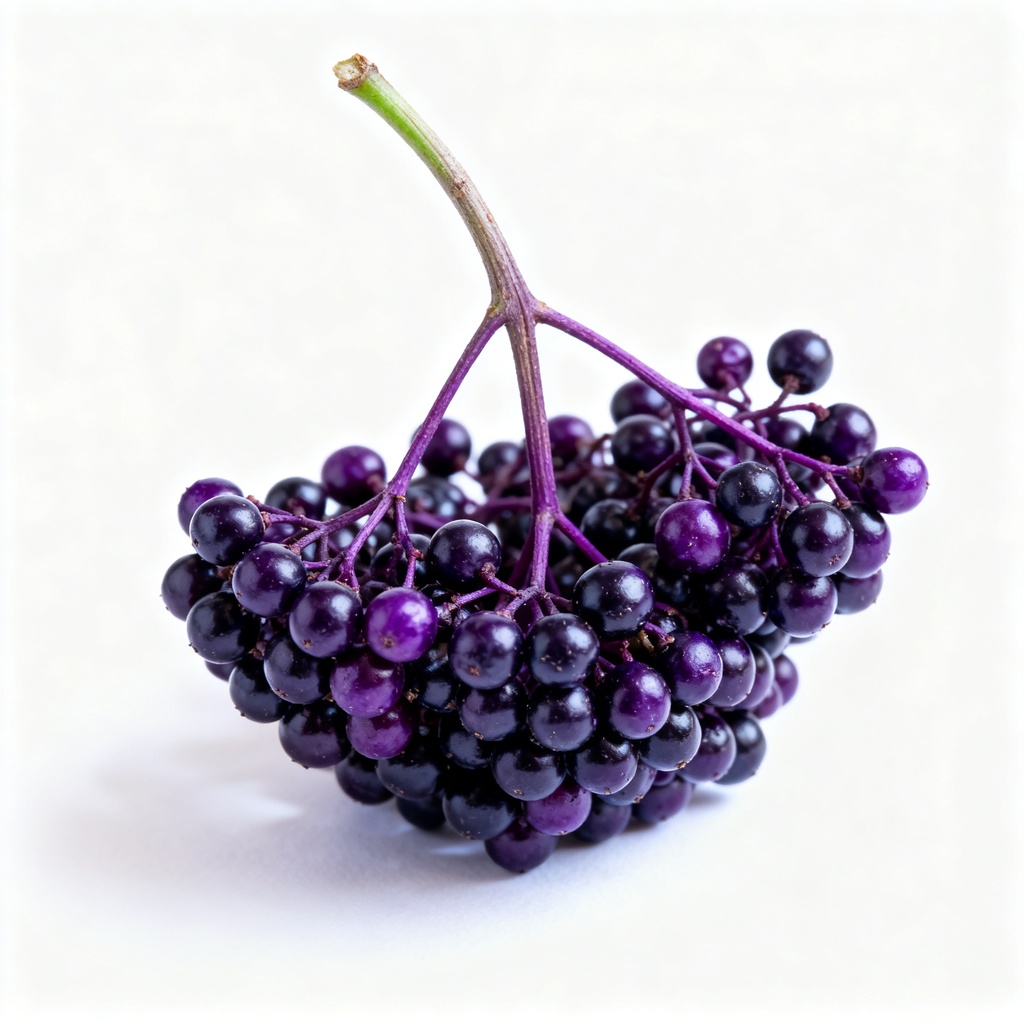
The “how” comes down to a couple of key actions that finally made sense of my years of confusion. First, elderberries are packed with potent antioxidants, primarily anthocyanins, which give them that deep, royal purple color. When you’re fighting an infection, your body goes into oxidative overdrive—it’s a normal part of the battle, but it also contributes to that achy, inflamed feeling. These antioxidants help calm that storm. Second, and this was the real eye-opener, there’s compelling evidence that certain compounds in elderberry can directly inhibit a virus’s ability to latch onto and hijack our healthy cells. Immunomodulatory effects of new phytotherapy on human macrophages and TLR4- and... It’s like putting a sticky, confusing lock on the doors. So, while my daily vitamin C and zinc were dutifully supporting the general health and function of my immune cells (the soldiers), the elderberry was potentially working on the invader itself, slowing its ability to replicate and cause chaos. This was my first major clue that timing was everything. I wasn't supporting a standing army; I was deploying a special ops team at a critical moment.
Here's a thought: perhaps a targeted approach could make a difference. Let's explore how to optimize elderberry usage.
The Mistakes I Made With Elderberry Forms and Timing
This, right here, was the trilogy of errors that cost me years of skepticism and a small fortune in ineffective products. I was buying the wrong stuff and using it at the wrong time, then blaming the berry for my own missteps.
- The Form Fiasco: I loved the gummies because they were easy and my kid would take them too. What I never bothered to check was the actual elderberry content. Many gummies are primarily sugar, gelatin, and flavoring, with only a tiny, pharmacologically irrelevant amount of elderberry extract listed somewhere near the bottom of the supplement facts. The same went for the bright, sweet syrups I’d pick up—often more akin to candy than a supportive supplement. I learned to become a label detective, looking for standardized extracts that clearly stated the anthocyanin content or milligrams of berry equivalent per serving.
- The Dose Delusion: A single gummy after breakfast was like bringing a squirt gun to a house fire. The clinical studies that showed positive effects used significant, therapeutic doses—often the equivalent of several tablespoons of a potent syrup or multiple capsules, taken multiple times a day at the onset of symptoms. My casual, low-dose approach was never going to move the needle.
- The Timing Trap: This was the grand revelation. I was using it as a lazy, daily preventative, which is fine for some, but not where the strongest evidence lies. The research is most convincing for using it as an early intervention tool. Starting a robust dose at the very first sign of illness—that subtle tickle in the throat, the unusual wave of fatigue at 3 PM, the first sneeze from your child—is like deploying that emergency response team the moment the alarm sounds, not after the building is already engulfed. For parents who get sick all the time, this mental shift from passive, year-round prevention to active, strategic, early intervention was an absolute game-changer. It turned a supplement from a hope into a plan.
The Marketing Hype vs. The Reality for My Immune System
Every bottle screamed “BOOST YOUR IMMUNITY!” and “STAY WELL ALL SEASON!” The imagery was all sunshine and vitality, completely divorced from my reality of bleary-eyed 2 AM pharmacy runs. This disconnect bred a deep cynicism in me. I felt like I was being sold a story of invincibility, not the practical science of resilience. The hype, I realized, sets us up for failure by creating unrealistic expectations. No supplement can “boost” an immune system that is already functioning normally into some kind of super-state. In fact, an overactive immune system is the problem in allergies and autoimmune diseases. The marketing made me feel like a personal failure when I got sick, rather than helping me see the value in a tool that could help me get through the sickness with more grace and less lost time. It framed elderberry immune support as a shield, when it’s really more of a skilled medic.
Unlock your body's resilience.
👉 Explore Natural Solutions
Harness the power of nature to help you bounce back quicker.
How Elderberry Actually Works in the Body
Let’s break down the mechanics without the jargon, the way I finally pieced it together in my own, non-scientist mind. Imagine your immune system is a highly sophisticated national defense force. When a novel virus (the enemy) invades, your forces mobilize with incredible speed. This mobilization is essential, but it causes inflammation—the redness, swelling, sore throat, and general misery of being sick. It’s necessary fighting, but it’s also what makes you feel so awful.
Here’s where a potent, well-made elderberry extract enters the scene. Those anthocyanins and other bioactive compounds act less like extra soldiers and more like strategic advisors and diplomats. They help modulate the immune response, encouraging a more targeted attack. They don’t tell the army to stand down; they help it fight more strategically and efficiently, potentially reducing the “collateral damage” of excessive, body-battering inflammation. Simultaneously, other compounds seem to physically swarm the virus particles themselves, gumming up their mechanisms and preventing them from breaking into your cells to make millions of copies. This dual action—supporting a smarter, less inflammatory immune response and directly interfering with the virus’s life cycle—is the core of its potential benefit. It’s crucial to understand what it doesn’t do: it doesn’t create new immune cells out of thin air, it’s not a substitute for sleep or nutritious food, and it is certainly not a replacement for vaccines. It’s a tactical support player, not the star quarterback. This understanding finally answered my nagging question: is elderberry immune support just a placebo? For me, when used correctly, the answer was a clear no.
Speaking of health, have you ever asked yourself, Is it normal to have no morning erections in your 40s?
When Elderberry Immune Support Might Help (And When It Won’t)
Getting brutally honest with myself about this was liberating. It stopped me from seeing elderberry as a magic potion and started me seeing it as a specific tool for a specific job, like keeping a high-quality umbrella in the car—not for daily sun protection, but for when the clouds suddenly open. Managing expectations was half the battle.
| My Approach | Best For This Situation | Realistic Timeline for Effect | The Key Thing I Had to Accept |
|---|---|---|---|
| Casual, Low-Dose Prevention | General seasonal wellness when stress is low and exposure is minimal. | Unclear; may not be noticeable. | This was my old, failing method. It’s better than nothing, but it’s not using the tool to its potential. |
| Targeted Early Intervention | The first 24-48 hours of cold/flu symptoms, or during a known high-exposure period (right after a sick kid’s birthday party). | 1-3 days to notice milder symptoms and shorter duration. | This is where the science is strongest. It requires me to be attentive to my body’s earliest signals. |
| Combined Foundational Support | My daily regimen (C, zinc, probiotic) PLUS elderberry at early signs. For someone like me who already takes vitamins, this is the synergy. | Ongoing resilience with acute benefits in 1-3 days during an incident. | It’s not one or the other. Elderberry is the rapid-response unit that complements my daily foundational “troop support.” |
| Symptomatic Relief Only | When I’m already deep into a cold (day 3 or 4) and just want some antioxidant support. | May help with comfort, but unlikely to significantly shorten illness. | It’s probably too late for the main antiviral action, but it can still be a supportive comfort measure. |
It likely won’t help as much when:
Scientific Evidence
- You expect it to prevent all illness magically, like an invisible bubble.
- You start taking it four days into a brutal cold (the main viral replication battle is often already winding down).
- The illness is bacterial, like strep throat or a UTI (it’s targeted at viruses).
- You have an underlying autoimmune condition (where modulating immune activity is complex and requires a doctor’s guidance).
Understanding this stopped me from asking, “Does elderberry immune support actually work for adults?” in a vague, yes-or-no sense. Instead, I started asking, “Will it work for this specific situation, given how I’m planning to use it?” That shift in questioning changed everything.
If you are also battling skin issues, you may want to learn rosacea on cheeks.
Consider optimizing your daily routine for better results. Now, let's explore how to use elderberry safely and effectively.
How to Use Elderberry Safely and Effectively
This is where my research got serious, moving from curiosity to responsible practice. Elderberry is generally safe for most adults when used appropriately, but it’s not a benign blueberry. The raw berries, leaves, stems, and roots contain cyanide-inducing compounds and are toxic. Only use properly cooked and processed extracts, syrups, or capsules from reputable sources. This isn’t something to forage for or make from a random online recipe.
Crucially, because it modulates the immune system, it’s not for everyone. People with diagnosed autoimmune diseases (like rheumatoid arthritis, lupus, multiple sclerosis) should have a conversation with their doctor before using it. The concern is theoretical, but it makes sense: if your immune system is already overactive and attacking your own tissues, adding something that influences immune activity could be problematic. The same caution applies to anyone on immunosuppressant medications after an organ transplant or for an autoimmune condition. This isn’t scare-mongering; it’s the responsible nuance that was missing from the cheerful bottle labels. For people with autoimmune disease, this is a red flag to pause and consult a professional.
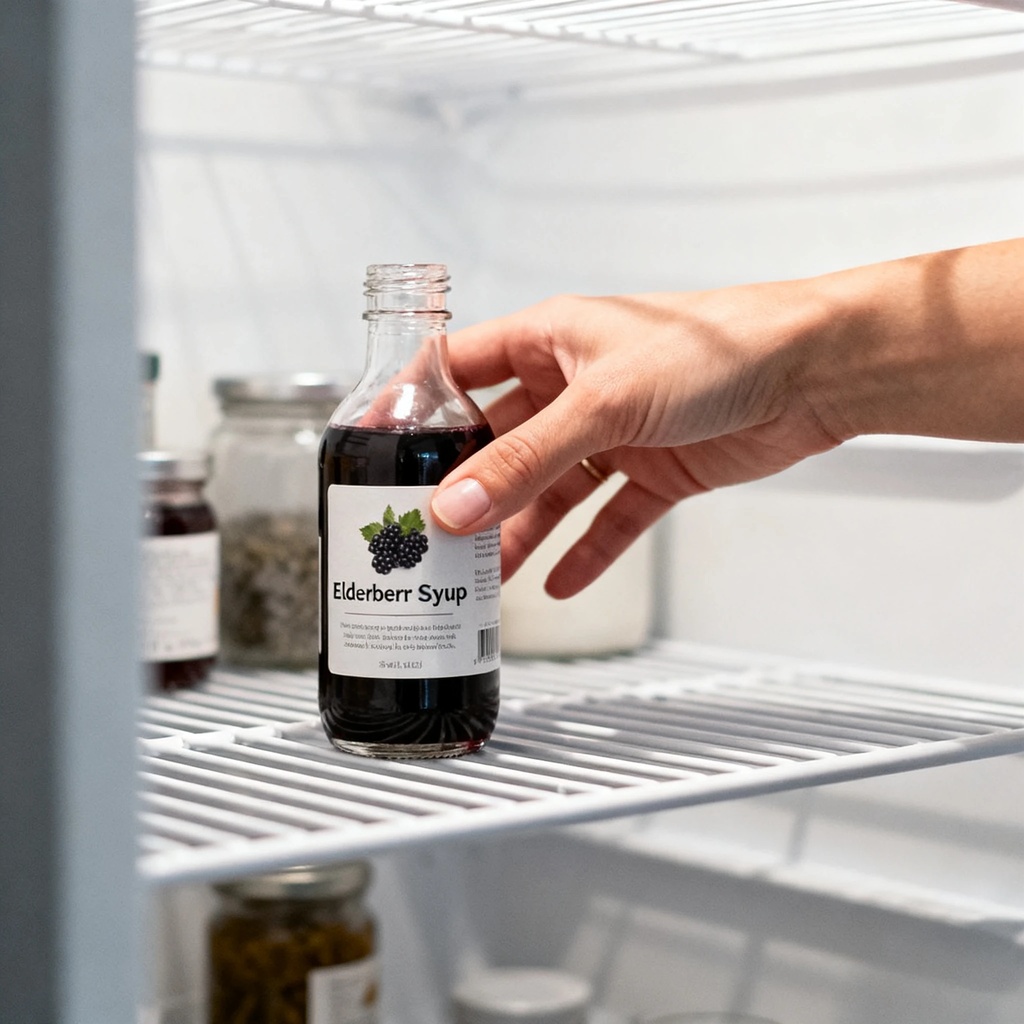
For effective, safe use in my own life, I finally landed on a protocol that works. I keep a high-quality, low-sugar syrup (with a clear “X mg of elderberry extract per tablespoon” on the label) in the fridge. At the first hint of a scratchy throat, a weird fatigue, or if my son comes home with that glassy-eyed look, I take the full adult dose (often 1-2 tablespoons) up to four times a day for 3-5 days. I don’t take it daily all year; I use it strategically, which also makes the cost feel like a targeted investment rather than a continuous drain. I also know that how long does elderberry take to work for colds is highly individual, but for me, the difference is often felt within 48 hours of starting that protocol—not as a cure, but as a noticeable moderation of the onslaught.
It's also important to consider your overall well-being, and if you are feeling stuck in life, you may want to learn Why do I feel stuck in life after 50.
How I Finally Made Elderberry Work in My Real Life
The proof, as they say, is in the pudding—or in my case, in the quiet, unremarkable success of a winter that didn’t wreck me. Last season was the real test. The first cold hit my household in November. I felt that familiar, dreaded tickle on a Tuesday evening. Instead of my old routine of sighing, brewing tea, and mentally clearing my calendar for the week, I went to the fridge. I took my first dose of elderberry syrup right then. I took another before bed, and another with breakfast.
The cold didn’t vanish. But it was different. The congestion was present but never became a sinus-pounding headache. The fatigue was there, but I could still work and make dinner, not just lie on the floor. The whole thing peaked gently and was largely over in three days, compared to my usual week-long saga of misery. That was the moment I knew I’d cracked my own code. I wasn’t just throwing money at a problem hoping for magic; I was using a tool with intention, understanding, and timing. For someone like me, a skeptic who already takes vitamin C and zinc, it became the missing piece—the rapid-response element my otherwise solid regimen lacked. It turned the question from “elderberry immune support worth it or waste of money?” into a clear, personal “worth it,” because I was finally using it right.
Frequently Asked Questions
A: I’ve been there, and it’s the most frustrating feeling. From my experience and research, the top reasons are: starting too late (after symptoms are full-blown), using a product with too low a dose or poor-quality extract, or expecting it to be a force field that prevents sickness entirely. It’s not a guarantee, but using a potent, reputable product at the very first subtle sign of symptoms gives you the best shot at seeing a benefit in terms of severity and duration.
Q: Is elderberry immune support safe? Are there side effects I should know about?A: Processed elderberry products (syrups, capsules, lozenges) from trusted sources are generally safe for most healthy adults. The serious risk comes only from consuming raw, unripe, or uncooked berries or other parts of the plant, which are toxic. Some people report mild digestive upset like nausea. The most important safety consideration is for individuals with autoimmune diseases or those on immunosuppressant medications—they should avoid it unless their doctor explicitly approves it, due to its immune-modulating properties.
Q: What should I look for when buying an elderberry supplement? I don’t want to waste money again.A: This was my mission! Look for products made from Sambucus nigra (European Elderberry). Choose a form with minimal added sugars or artificial junk. The label must clearly state the amount of elderberry extract per serving (e.g., “500mg of elderberry extract” or “standardized to X% anthocyanins”). Opt for brands that mention third-party testing for purity and potency; this info is often on their website. For elderberry immune support dosage for adults, follow the specific product’s therapeutic dosage instructions, which are often higher at symptom onset.
Q: How does elderberry compare to the vitamin C and zinc I already take? Do I need both?A: Think of them as a team with different, complementary roles. Vitamin C and zinc are essential micronutrients that support the everyday function, development, and communication of your immune cells. They’re like the base camp, food, and training for your army. Elderberry offers more direct, bioactive compounds that may help modulate the specific immune response and interfere with viruses once an infection has begun—it’s like sending in specialized equipment during a specific mission. For me, using them together—with my daily vitamins as the foundation and elderberry as my early-response tool—has been the most effective strategy.
Q: Can I take elderberry every day for prevention, or should I wait until I feel sick?A: You can do either, and it depends on your lifestyle and budget. Many people take a maintenance dose daily during cold season. The scientific evidence is less robust for daily prevention compared to early symptomatic use. For my lifestyle, I found the targeted, “therapeutic burst” approach more effective, noticeable, and cost-effective. I save it for when the threat level is high (like during school outbreaks) or at the first symptoms, rather than taking it year-round. It’s about what feels sustainable and logical for you.
Q: When is the best time to start taking elderberry?A: The moment you have that first, subtle suspicion. That tickle, that sneeze, that “I feel off” feeling, or even proactively if someone in your house is sick and you’re just waiting your turn. Elderberry immune support when to start taking it is the most critical factor. Early intervention is key to leveraging its potential antiviral mechanisms. Don’t wait until you’re already buried in tissues.
📌 Love this guide? Save it on Pinterest!
Pin Elderberry Skeptic No More: How I Finally Made it Work in 2026 to your board so you can come back to it later.

