
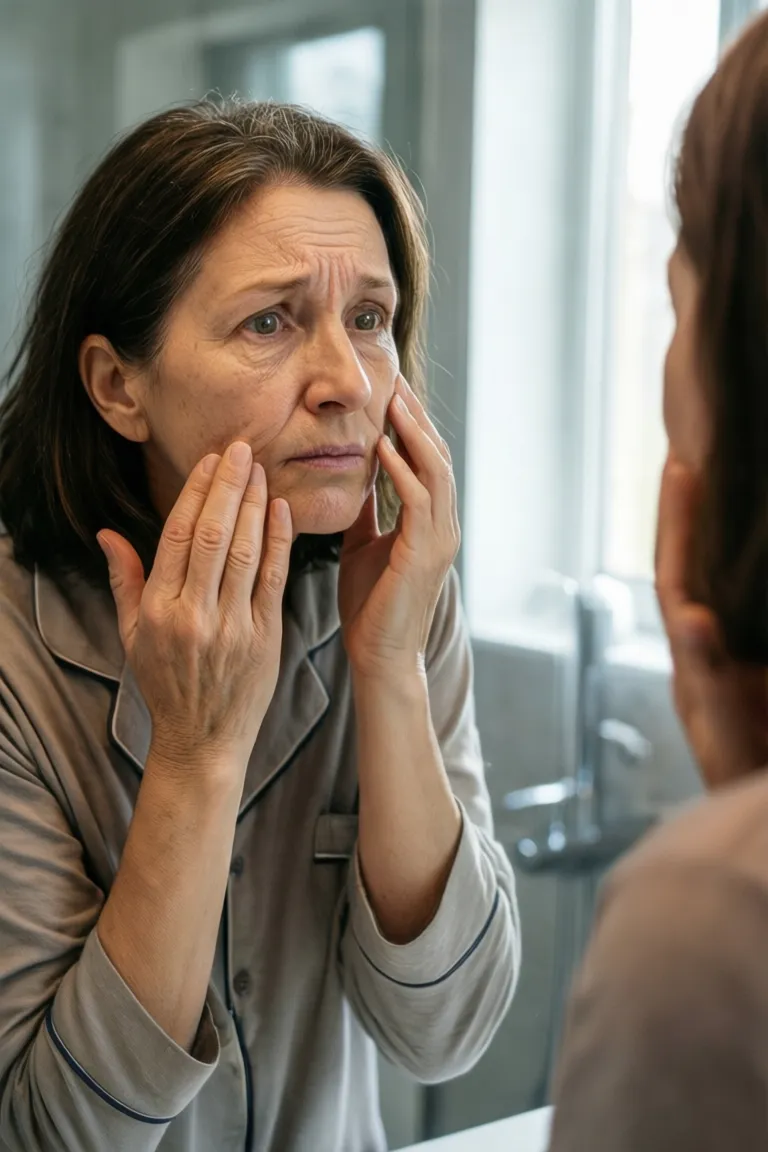
I was staring at my reflection in the magnifying mirror, the kind that’s both a blessing and a curse. The morning light was unforgiving, highlighting not just the fine lines I’d grown accustomed to, but new, deeper creases around my eyes that seemed to have appeared overnight. At 48, I’ve never been one to shy away from a skincare challenge. My bathroom cabinet looked like a Sephora archive, filled with the ghosts of serums and creams that promised miracles but delivered only mild hydration. I felt a familiar pang of frustration—a mix of vanity and genuine concern. This wasn’t about chasing youth; it was about wanting my face to reflect the energy I still felt inside. When I first read about Skinception and its targeted approach for mature skin, a flicker of real hope ignited. But that hope was immediately dampened by a cold, modern anxiety: where on earth do I actually buy this thing without getting ripped off?
The internet, my usual source of convenience, became a minefield of doubt. A simple search for “buy Skinception” returned a dizzying array of options: the official-looking website, multiple Amazon listings with conflicting reviews, and a slew of other beauty sites with prices that were too good to be true. My excitement curdled into suspicion. I’m not a novice online shopper, but the stakes felt higher here. This wasn’t a cheap t-shirt; it was a significant investment in my skin, and the horror stories from beauty forums echoed in my mind—women receiving watery, incorrectly labeled jars, or products that did nothing, suspecting they’d been sold counterfeits. The debate between the Skinception official store vs Amazon real reviews was giving me genuine decision fatigue. I was paralyzed, caught between my desire for results and my deep-seated fear of being scammed.
My Skincare Journey: Why I Was Desperate Enough to Try Skinception
My relationship with skincare has been a decades-long dialogue, a quiet negotiation with my reflection. In my 30s, it was all about prevention—SPF 50, vitamin C, the occasional hydrating mask. It felt proactive and manageable, like saving for a future I couldn’t quite see yet. Entering my 40s, the conversation shifted abruptly. It was no longer about stalling the inevitable but addressing the actual changes happening in the mirror. The “fine lines” had taken up permanent residence, especially my marionette lines—those parentheses framing my mouth that made me look perpetually weary—and the stubborn creases on my forehead that told stories of long workdays and squinting into the sun. I tried retinoids, which left me red, flaky, and socially anxious for months. I invested in luxury brands with beautiful packaging, but the results were subtle at best, a whisper of improvement that vanished if I skipped a single application. My routine felt like a chore, a nightly ritual of hope with little tangible reward. I was spending a small fortune to maintain the status quo, not improve it.
That’s when Skinception kept popping up on my radar. It wasn’t from flashy, intrusive ads, but from deeper corners of the internet I trusted more—lengthy, nuanced threads in dedicated skincare communities where women my age were having real, detailed conversations. They weren’t just saying “it’s good”; they were discussing texture, application frequency, and the gradual softening of specific lines over weeks. They talked about the “tightness” without dryness, the way makeup settled better. This wasn’t a magic bullet promise; it was a protocol, a slow and steady commitment. What made Skinception stand out among other options was its focus on a specific peptide complex aimed at deeper wrinkles, not just surface hydration. It spoke directly to my specific frustration: treating the lines that had settled in, not just the ones thinking about it. The desperation wasn’t born of vanity, but of exhausted options. I felt like I’d tried every lane on the highway, and they all led to the same plateau. I was ready to try one more thing, but only if I could be sure it was the real thing, not another beautifully packaged placebo.
The Online Minefield: My First Attempts to Buy Skinception (and the Red Flags I Missed)
Armed with intent, I dove into the purchasing process, and my optimism quickly evaporated. My first instinct, like most people’s, was to check Amazon. The convenience is undeniable—the trusted login, the saved payment method, the two-day shipping promise. I found several listings for “Skinception Intensive Line Corrector,” some boldly labeled as “#1 Best Seller.” My initial relief was short-lived. The prices varied wildly—some were a full 30% cheaper than the price quoted on the official site. That was Red Flag #1, waving furiously. I know from experience that reputable skincare brands often have strict Minimum Advertised Pricing policies to protect their image; a drastic, unexplained discount from a random third-party seller is rarely a lucky break. It’s often a sign of old stock sitting in a hot warehouse, diverted product from unauthorized channels, or, worst of all, a counterfeit.
I started combing through the reviews, and the emotional impact of navigating uncertainty hit me like a wave. Nestled among the glowing 5-star ratings were chilling one-star warnings that felt like personal messages: “Texture is different from my last jar—much thinner and smells chemical,” “No seal on the box, cream smelled off,” “I don’t think this is authentic, and now I’m out $80.” Each one felt like a cautionary tale meant for me. I’d click on a reviewer’s profile, looking for signs of a real person, trying to gauge if their concern was legitimate or just a fluke. It was exhausting.
I then ventured off Amazon, Googling “Skinception discount” like a fool chasing a mirage. This is where it got truly scary. I clicked on what looked like a legitimate beauty retailer through a shopping aggregator. The site design was almost professional, but the English was slightly stilted, and the “About Us” page was generic stock photos of smiling models. They had Skinception at a staggering 50% discount. My heart leapt for a second—what a find!—before my brain caught up. This was a classic common deceptive tactic used by unofficial sellers: luring you in with an impossible price to capture your credit card info or send you a dangerous knock-off. I closed the tab as if it were contaminated, my pulse quickening. The sheer volume of options wasn’t empowering; it was a gauntlet. Each click, each “Add to Cart” felt like a gamble with my money and, more importantly, my skin’s health. This my experience buying Skinception online was turning from a simple transaction into a stressful, full-time investigation.
Official Store vs. Amazon: My Deep Dive into Authenticity, Pricing, and Customer Service
Frustrated but not defeated, I decided to treat this like a research project for a class I desperately wanted to pass. I opened two browser windows side-by-side: one for the official Skinception website and one for the main Amazon listing. My comparison needed to go beyond the sticker price; it had to dig into the feel of the transaction, the safety nets, and the fine print.
On Authenticity Verification: The official store was, in theory, a no-brainer. Buying directly from the brand’s designated site is the closest guarantee you can get. They control the inventory from manufacture to shipment in a sealed, temperature-controlled chain. With Amazon, it’s a complex ecosystem. You must scrutinize the tiny, easy-to-miss “Ships from and Sold by” information. Is it “Sold by Amazon.com” or “Sold by SuperSavingsBeauty and Fulfilled by Amazon”? The latter means you’re dealing with a third-party seller using Amazon’s warehouse—a critical distinction at the heart of the Skinception official website vs third party sellers dilemma. In Amazon’s commingled inventory system, the authentic jar from the brand could be stored right next to a counterfeit one from a shady seller, and an employee might grab either one to fulfill your order. Your fate depends on the integrity of a stranger’s supply chain.
On Pricing & True Value: The official site’s single-jar price was higher, no doubt. But I looked closer. They almost always run intelligent bundle deals (buy 2 months, get 1 free) or offer a subscription discount that locks in a lower price for future orders. When I sat with my calculator and factored in the bundle savings, the per-jar cost became surprisingly competitive, sometimes even lower than the lone Amazon listing. Amazon’s price was a lower, seductive number upfront, but with no bulk discounts. More importantly, the official site price included the manufacturer’s guarantee—a warranty on the product’s performance and authenticity. I had to ask myself the real question: is saving $15 or $20 right now worth the risk of getting a fake product that does nothing, wastes months of my time, and leaves me feeling foolish? The Skinception price comparison official site vs Amazon isn’t just arithmetic; it’s a value equation that includes peace of mind.
On Customer Service & The Safety Net: This was the clincher, the detail that shifted my entire perspective. I read the fine print like a detective. The official store offered a clear, bold 67-day return policy on opened products. That’s over two months to truly test it through a full skin cycle, without pressure. Their customer service email and phone number were specific to the brand. Amazon’s return policy is generally good for unopened items, but if you have an issue with a product’s performance after three weeks—like suspecting it’s fake or ineffective—you’re often routed into a labyrinthine chat with the third-party seller first, which can be a Kafkaesque nightmare of canned responses and delays. I wasn’t just buying cream; I was buying a relationship. I needed the security of knowing I could talk directly to the source if something felt off.
Scientific Evidence
Understanding the Different Paths to Skincare Solutions
Before I made my final decision, I had to step back and acknowledge that my journey wasn't unique. Many of us navigate this confusing landscape, and we often approach it in different ways, with varying levels of risk tolerance and investment. I realized my near-miss with a scam was part of a broader pattern. To clarify my own thinking, I sketched out the common paths people take when seeking solutions for mature skin concerns. It helped me see where I was, and more importantly, where I wanted to be.
| Approach | Best For | Realistic Timeline for Visible Change | Key Consideration & Risk |
|---|---|---|---|
| Bargain Hunting on Marketplaces | Shoppers prioritizing lowest upfront cost and convenience. | Highly unpredictable; may see no results if product is counterfeit. | Highest risk of receiving expired, fake, or inactive products. Little recourse for dissatisfaction. |
| Buying Direct from Official Brand Stores | Those valuing guaranteed authenticity, freshness, and manufacturer support. | 4–12 weeks for genuine, clinically-formulated products. | Higher initial cost often offset by bundles/guarantees. Requires trusting the brand's science. |
| Sticking with Generic Drugstore Brands | People with minimal concerns or very sensitive skin needing simple hydration. | 8–12 weeks for mild texture improvement. | Low risk, low cost, but also low potency for addressing deeper, established wrinkles. |
| Professional Medical-Grade Treatments | Individuals seeking the most potent, fast-tracked solutions regardless of budget. | 1–4 weeks for significant results. | Highest cost and commitment. Requires consultations and often in-office visits. |
Looking at this, I saw my Amazon temptation for what it was: "Bargain Hunting." And my gut, along with those chilling reviews, told me that path was utterly misaligned with my goal of real, safe results. It was a distraction, not a solution.
The Moment I Realized I Almost Made a Huge Mistake (and How I Avoided It)
I was this close to clicking “Buy Now” on Amazon. The one-click convenience was seductive, the Prime logo was a siren song, and the seller had a 4.2-star rating—seemingly decent. My cursor hovered over the button. But something, a nudge from all those forum warnings, made me pause. I didn’t just close the window; I decided to conduct one last audit. I went back to that seller’s page and clicked “See all reviews.” Then, I filtered exclusively to the 1-star reviews. This is where the truth lives.
What I read was a masterclass in modern consumer risk. One woman described her jar arriving with a broken inner safety seal and a “grainy, separated” texture. Another said the lot number on the box was partially scratched off, as if someone had tried to obscure it. A third mentioned that when she complained to the seller about ineffectiveness, they offered a 20% refund if she changed her 1-star review to a 5-star one. A chill, colder than any skincare serum, went down my spine.
This wasn’t just about receiving a subpar product; it was about engaging with a deliberately dishonest system. The risk of expired or improperly stored products became viscerally real. Skincare actives, especially delicate peptides and vitamins, degrade with heat, light, and time. A counterfeit or old jar sitting in a non-climate-controlled garage for a year might not just be ineffective; it could be chemically unstable or contaminated. I imagined applying a mystery substance to my face every night for two months, diligently following the routine, hoping for results that would never come, all while the real culprit—the scam—remained invisible. The potential $30 savings instantly transformed in my mind into a potential $100+ loss, plus the profound disappointment and stolen time I could never get back.
I then revisited the official Skinception site and found their dedicated “Authenticity Guarantee” page. They had photos of real packaging, explained what the seals should look like, and outlined their direct-from-lab shipping process. The peace of mind from choosing a verified source suddenly had a tangible, almost physical value. It felt like choosing a seatbelt over hoping for the best. That moment of near-purchase wasn’t a lucky escape; it was the direct result of listening to my gut and doing the tedious, unglamorous work of investigation. It solidified my entire Skinception purchase story: avoiding scams not through genius, but through stubborn caution.
My Honest Verdict: Where I Finally Bought Skinception and Why I'd Do It Again
After all that stress, research, and emotional whiplash, I took a deep breath and purchased directly from the official Skinception website. I opted for their 3-jar bundle, which came with a significant discount per jar and included free shipping. The checkout process was smooth, and I received a detailed order confirmation and tracking email within hours—not a generic notification, but one with a direct customer service line. I also learned more about the importance of proper product handling through a clinical trial methodology.
When the package arrived a few days later, the benefits of buying from a trusted source were immediately, palpably apparent. The shipping box was sturdy and untampered. The product box inside was pristine, with crisp printing, clear unscratched lot numbers, and an expiration date well into the future. The jars themselves were sealed with a tight, firm plastic film under the lid—the first true sign of a fresh, untouched, and legitimate product. The cream had a specific, luxurious texture: firm, pearlescent, and fragrance-free, exactly as the most trusted community reviewers had described. That first night, I applied it not with trepidation, but with a sense of confident commitment. I was finally testing the real thing. I also found that understanding the science behind skincare ingredients, like those found in why do I have fine lines around my eyes even though I wear sunscreen, was crucial.
So, where is the safest place to buy Skinception? From my hard-won experience, it’s unequivocally the official store. The slightly higher upfront single-jar cost (so often mitigated by their bundles) buys you certainty in a world of digital doubt. It buys you direct access to customer service who actually know the product, not just a marketplace policy. Most importantly, it buys you the confidence that you are giving your skin the exact, precise formulation that was clinically tested to deliver results. You’re not testing a maybe; you’re testing the thing itself. For more on why I ultimately chose this path, you can read about buy skinception online official store.
My long-term satisfaction and results from genuine Skinception have been a journey of gradual, positive change. I noticed improved hydration and a smoother canvas for makeup within the first 2-3 weeks. More significant softening of my deeper-set marionette lines became apparent around the 6-8 week mark. It wasn’t a Photoshop eraser, but a definite softening, a relaxation of those lines that had felt so etched. If I ever repurchase, I won’t be wasting energy browsing Amazon deals or falling for too-good-to-be-true discount sites. I’ll go straight to the source. That clarity, after all the confusion, is worth every single penny. It turns the entire experience from a risky gamble into a simple, confident choice. My journey with skin concerns also reminds me of how I feel about I feel ashamed of my stretch marks even after trying the best creams.
Frequently Asked Questions
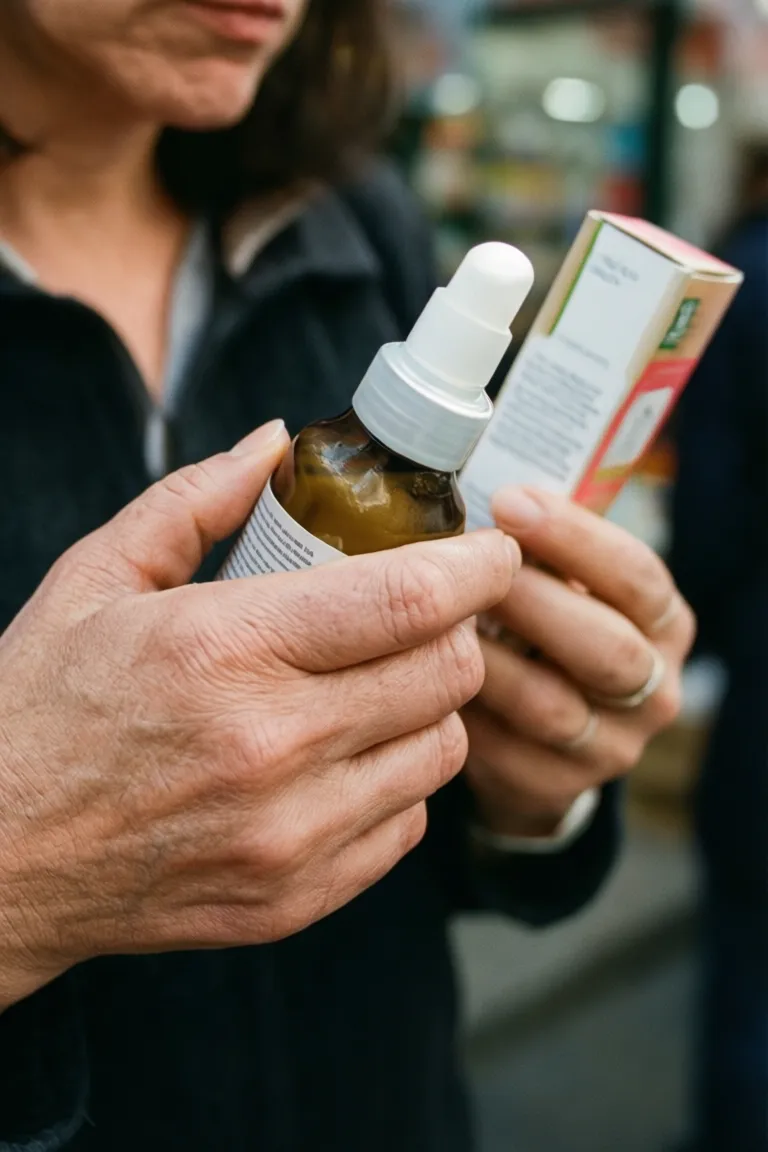
Q: Is Skinception sold on Amazon fake or authentic? Can I ever trust it? A: This is the core question, and the honest answer is: it's a dangerous mix. While Amazon itself may stock authentic products, their fulfillment model means inventory from the brand gets mixed with inventory from third-party sellers. So, even if you select "Ships from Amazon," you could receive a jar sourced from a questionable seller. The 1-star reviews filled with complaints about missing seals, wrong textures, and suspicious smells are often the telltale signs of this lottery. For a guarantee of authenticity, the official store removes this gamble entirely.
Q: What’s the real price difference between the official store and Amazon? Is the official site a rip-off? A: It feels that way at first glance, but the math tells a different story. Amazon often lists a lower single-jar price upfront. However, the official Skinception site consistently offers multi-jar bundles (like "Buy 2, Get 1 Free") or subscription discounts that drastically reduce the per-unit cost. When I did the calculation for a 90-day supply, the official site was actually cheaper. Furthermore, that price includes the manufacturer's 67-day guarantee. You're not paying more for the same product; you're paying for certainty, freshness, and a real safety net.
Q: How can I tell if the Skinception product I already bought (maybe from Amazon) is fake? A: Trust your senses and inspect everything. Major red flags include: a missing, loose, or broken inner plastic seal under the lid; a lot number or expiration date that is smudged, scratched off, or completely absent; a texture that is radically different from descriptions—either too watery, greasy, oily, or has a grainy, separated quality; and packaging with blurry print, spelling errors, or flimsy cardboard. The genuine cream has a distinct, rich, non-greasy feel and smells faintly of ingredients, not perfume.
Q: What happens if I have a problem? How does customer service compare? A: This was a deciding factor for me. With the official store, you have one point of contact: the brand's dedicated team. If your product seems off or you're not seeing results, you deal with the people who made it, under their generous return policy. On Amazon, if you have a performance issue after the standard return window, you're often thrown into a dispute with the third-party seller, which can mean endless automated messages, partial refunds as hush money, and no real resolution. For a high-ticket skincare item, direct support is non-negotiable.
Q: I’m scared of being scammed but also want a good deal. What’s your absolute best advice? A: My advice, born from my own close call, is this: Reframe what a "good deal" means. A good deal isn't the lowest price. A good deal is getting the authentic, effective product you paid for, with a guarantee backing it up. Start your search on the official website to understand the true retail price and their best bundle offer. Use that as your baseline. Any price significantly lower than that, especially on open marketplaces, should be seen not as a savings, but as a red flag waving the cost of the risk you're about to take. Your skin, your time, and your peace of mind are worth the investment in legitimacy.
📌 Love this guide? Save it on Pinterest!
Pin Skinception Online: Official Store vs. Amazon 2026 - Avoid Scams! to your board so you can come back to it later.

