
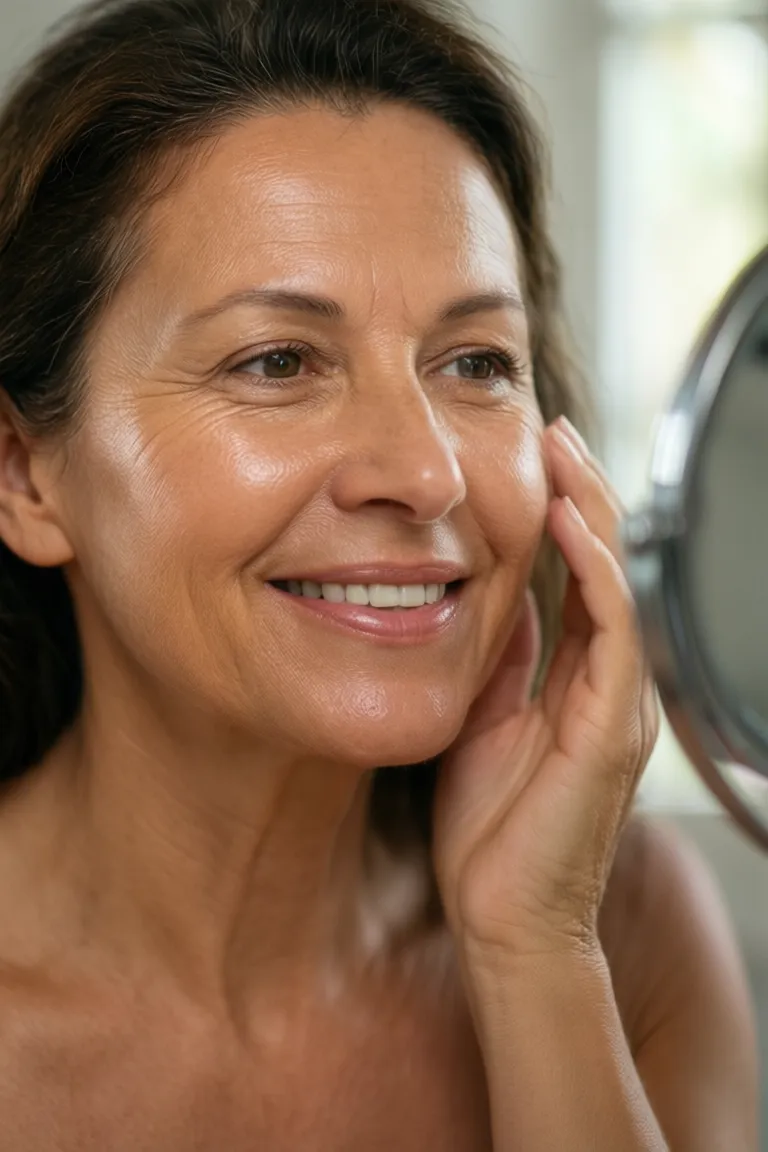
It was a Tuesday morning, and I was on a video call, listening intently. I saw my own face in the little corner window, and there they were—the three distinct lines across my forehead, clear as day, even through the grainy webcam. I felt a hot wave of frustration. I’d been faithfully applying my dermatologist-recommended anti-wrinkle cream every single night for six months. I wore sunscreen religiously. I drank water, I moisturized. I had done the “right” things. So why, when I raised my eyebrows in concentration, did those lines still show up, looking just as defined as they had before I started this whole expensive, time-consuming routine?
I remember staring at the tube later that day, wondering if I had wasted my money. Had I expected too much? Was my skin just… defective? The disappointment was a quiet, personal letdown. I’d followed expert advice to the letter, and the mirror told me it hadn’t worked. I felt a confusing mix of betrayal and foolishness. This is the emotional mismatch so many of us feel but rarely say out loud: we do everything we’re told, and still see the same forehead lines staring back at us.
It turns out, the problem wasn’t the cream, and it certainly wasn’t me. The problem was a fundamental misunderstanding of what that cream could actually do for the specific wrinkles I was seeing. My journey from that feeling of failure to a place of clarity and empowerment wasn’t about finding a miracle product—it was about learning to speak the language of my own skin.
The Morning I Realized My Dermatologist-Recommended Cream Hadn’t Erased My Forehead Lines
That video call was my breaking point, but the suspicion had been building for weeks. I’d look in the mirror after my morning routine, my skin plump and hydrated, and think, “Okay, maybe they’re softer.” But then I’d laugh, or be surprised, or just think hard about something, and the grooves would reappear instantly. I expected the cream to change the landscape of my forehead, to fill in those tracks so they’d never show up again. What I got instead was a smoother canvas—the texture of my skin had improved, it felt more resilient—but the map of my expressions was still very much etched on the surface.
I realized I had been silently asking my cream to do two contradictory things. First, I wanted it to perform a deep, architectural renovation of my skin, rebuilding collagen from within. Second, and more powerfully, I wanted it to act like a neural off-switch for my forehead muscles. Whenever I was engaged in conversation or reacting to something, my eyebrows would lift, and those lines would pop right back into view. I was judging the product on its ability to stop a dynamic movement, which is like expecting a brilliant moisturizer to stop you from blushing.
Here’s what I didn’t understand then: a smoother texture is not the same as erased wrinkles. The cream was working on a cellular level, encouraging collagen and improving elasticity, but that’s a slow, behind-the-scenes renovation. It doesn’t put a roadblock on the neural pathway that tells your forehead muscles to contract every time you’re expressive. I also had no realistic frame for how long dermatologist recommended wrinkle cream takes to work. I was looking for a “before and after” in a few months, when the real changes I was asking for might take a year or more of consistent use, and even then, might only soften, not erase. I had been treating a marathon like a sprint.
What My Forehead Wrinkles Were Actually Telling Me
My journey out of frustration started when I stopped asking “Why isn’t this working?” and started asking “What are these lines actually made of?” This was my lightbulb moment. My forehead wrinkles weren’t a monolith; they were a portfolio of different issues, and my cream was only equipped to handle some of them.
First, there were the dynamic expression lines. These are the grooves that form from repeated muscle movement—every frown, every look of surprise, every “are you kidding me?” eyebrow raise over 42 years. They’re like a crease in a favorite leather bag from carrying it the same way every day. A topical cream can’t freeze muscle movement. This was the core of my dilemma. Can a cream remove dynamic forehead wrinkles or only soften them? The honest answer, I learned, is overwhelmingly the latter.
Then, layered on top, were dryness-related fine lines. These are the shallow, tiny cracks that show up when your skin barrier is thirsty, like the delicate cracks in dry soil. This was where my cream was likely doing its best work, plumping those up with hydration and actives like hyaluronic acid. Finally, I had to consider sun damage, collagen loss, and the potential for deeper static wrinkles—the ones that are visible even when your face is completely relaxed, like a fold in fabric that’s been pressed too long. My diligent sunscreen use was fighting new sun damage, but years of pre-SPF-consciousness had already done some of their work.
Understanding this was liberating. It meant my routine wasn’t a failure; it was just incomplete for the type of wrinkle I was most focused on. The forehead is a high-movement zone, and that movement can absolutely limit what a cream alone can change. My lines were a combination of habits, history, and biology—not a sign of a defective product or a flawed me.
The Anti-Wrinkle Cream Mistakes I Didn’t Know I Was Making
Armed with new curiosity, I looked back at my routine with a critical eye. I realized I’d been so eager for results that I’d probably sabotaged my own progress. My first mistake was likely using my retinol-based cream too aggressively. I’d apply it every night from the start, thrilled to be “doing something,” and when my skin got a little red or flaky, I’d just slather on more moisturizer and push through. I didn’t understand that a compromised, irritated skin barrier can’t effectively absorb beneficial ingredients or heal itself properly. I was likely causing micro-inflammation that was counteracting the cream’s anti-aging goals, a classic case of “more” not being “better.”
I was also guilty of skipping broad-spectrum SPF 30 or higher on cloudy days or when I was just running errands. “It’s just a quick trip to the store,” I’d tell myself. One dermatologist later told me this was like repairing a wall while leaving the window open for rain to come in. Sun exposure is the primary driver of photoaging, and without absolute, daily protection, any progress from a night cream is fighting an uphill battle. You can’t out-run your SPF negligence with a fancy night cream.
My biggest mistake, however, was my timeline. I was ready to judge the product after one tube. I hadn’t given it the several-week-to-months evaluation window it truly needed to remodel skin. I was looking for a demolition and rebuild in the time it takes for a paint job to dry. I’d see a post online of someone’s “3-month retinol transformation” and feel like a failure, not realizing that for many of us, especially with established lines, the changes are subtle, cumulative, and measured in seasons, not weeks.
When a Cream Can Help—and When It May Not Be Enough
This was the pivotal shift in my thinking. I learned to match my expectations to the mechanism of the product. So, what can a good anti-wrinkle cream realistically do? Ingredients like retinoids are gold-standard for a reason. They improve skin texture, accelerate cell turnover to fade sun spots, and stimulate collagen to soften fine lines over time. They work on the canvas itself. Peptides can send signals to the skin to support its structure, and powerhouse humectants like hyaluronic acid can draw in water to temporarily plump creases, making them less noticeable. This is the real, valuable work of a cream.
But here’s the crucial distinction I was missing: while these ingredients can improve the quality of the skin within the wrinkle, they cannot lift a deep fold or prevent a muscle from contracting. It’s the difference between repaving a road and redirecting traffic. The road (your skin) gets smoother, but the cars (your facial expressions) are still taking the same route. Does anti wrinkle cream help if I already have deep forehead lines? It can help the skin look and feel better within those lines, but it won’t reroute the traffic pattern that created them.
When you have dynamic or deeper lines, that’s when a cream may not be enough on its own. This doesn’t mean you’re wasting money on anti wrinkle cream for forehead wrinkles; it means you’re using it for its intended purpose—improving skin health—not for a purpose it was never designed to fulfill. This realization led me to a more honest conversation with my dermatologist about my options, moving from disappointment to a strategic plan.
Understanding Your Anti-Aging Pathway
To help visualize this shift from a single-product solution to a strategic approach, I found it useful to think in terms of pathways. This isn't about good or bad choices, but about aligning your actions with your specific concerns and expectations.
| Approach | Best For | Realistic Timeline for Change | Key Consideration |
|---|---|---|---|
| Topical Creams Only (Retinoids, Peptides) | Improving overall skin texture, fine lines, and preventing further photoaging. | 6-12 months for noticeable softening of fine lines. | Excellent for skin health, but has limited impact on deep dynamic wrinkles. |
| Creams + Consistent Muscle Awareness | Those starting to notice expression lines and wanting to slow their progression. | 3-6 months to see slowed deepening. | Requires conscious effort to reduce repetitive facial movements (like frowning). |
| Creams + Professional In-Office Treatments | Addressing established dynamic lines and deeper static wrinkles. | Weeks for treatment results, maintained long-term with cream. | Combines daily skin health with targeted correction for specific concerns. |
| Comprehensive Holistic Plan | Overall aging concerns including skin quality, volume loss, and expression lines. | Ongoing, multi-year journey. | Integrates skincare, professional treatments, lifestyle (sleep, diet, stress), and sun protection. |
It’s important to understand that is firming skin treatment for women over 40 worth the money if it doesn’t address the root cause of dynamic lines? This table helps clarify that different approaches target different concerns.
The Realistic Timeline: Learning to Judge Progress, Not Perfection
I had to redefine what “working” meant. Instead of waiting for the lines to vanish, I started a simple photo journal. Once a month, in the same neutral morning light, I’d take a picture with my forehead completely at rest, and another with my eyebrows raised. This objective log showed me what my frustrated memory couldn’t: the resting lines were becoming slightly softer and less defined. The texture of my skin in the raised photo was smoother, less crepey. The grooves themselves, however, still formed in the same pattern when I moved. The cream was working; it just wasn’t performing the magic trick I’d hoped for.
This is the heart of the my experience with dermatologist recommended wrinkle cream for forehead lines. It taught me that judging a cream fairly requires separating texture, resting lines, and expression lines in your mind. Track them independently. Celebrate the improvement in skin quality—that’s the foundation of everything. Is your skin brighter? More even? Does it feel bouncier? Those are wins. This process taught me patience and gave me a data-driven reason to continue, which was far more motivating than blind hope. It shifted my question from “Are my wrinkles gone?” to “Is my skin healthier?”
Scientific Evidence
Beyond the Bottle: What I Explored Next for My Forehead Lines
Accepting the limits of topical care wasn’t giving up; it was getting smarter. I brought my photo journal to my dermatologist and said, “The cream is helping my skin feel amazing, but these dynamic lines are really bothering me. What are my options for these specifically?” It opened up a whole new conversation. We talked about how prescription tretinoin could offer a stronger retinoid effect for the fine lines and texture. More importantly, we discussed neuromodulators (like Botox) as a targeted treatment for the muscle movement causing my deep expression lines. Botulinum toxin type A for facial wrinkles.
For the first time, I saw these not as a dramatic “procedure” but as a logical, targeted complement to my skincare routine. If the cream was the daily maintenance and collagen support, this could be the specific tool for the specific job of muscle relaxation. It was about building a toolkit, not finding a single miracle cure. I also learned about the importance of considering my entire health picture—hormonal changes in my 40s, stress levels, and sleep quality all played roles in my skin’s resilience. The conversation expanded from a single tube to my whole lifestyle.
The Routine I Finally Kept Long Enough to Judge Fairly
My routine today is less about throwing the most potent actives at my face and more about consistent, gentle support. It’s the routine that finally made me feel in control, rather than at war with my reflection. My morning is simple: a gentle cleanser, a vitamin C serum for antioxidant protection (fighting those free radicals my sunscreen blocks), a rich moisturizer, and a non-negotiable broad-spectrum SPF 50. That sunscreen is my most important anti-aging product, full stop.
At night, I’m patient with my retinoid. I use it three times a week, applying it over slightly damp skin to buffer it, followed by a nourishing moisturizer packed with ceramides. On the other nights, I focus on barrier repair and hydration with serums containing peptides and hyaluronic acid. This schedule keeps my skin calm, healthy, and receptive—a fertile ground for the actives to do their work. I now know that this consistent, long-game approach is what yields real results. I track my progress with my monthly photos, I protect my skin fiercely from the sun, and I have a clear understanding of when to seek professional advice for concerns that go beyond what a cream can address. It’s a partnership between me, my products, and my dermatologist.
Understanding does the best anti aging skincare routine actually work is key to managing expectations, especially when dealing with dynamic lines.
A Shift in Mindset: From Erasing to Caring For
The most profound change wasn’t on my forehead; it was in my head. I stopped seeing my wrinkles as flaws to be erased and started seeing my skin as an organ to be cared for. The goal shifted from achieving a line-free face to having healthy, resilient, and well-supported skin. My dermatologist-recommended cream is a key part of that—it’s a long-term investment in my skin’s health, not a short-term fix for a smile line.
That shift released me from so much anxiety and disappointment. It reframed the entire experience. Instead of feeling like a customer who didn’t get what she paid for, I felt like a steward of my own wellbeing. My routine is now an act of self-care, not a desperate attempt to turn back time. The lines on my forehead are part of my story—they’re from a life lived expressively, full of conversation, surprise, and concentration. I’m no longer trying to erase the story; I’m just trying to keep the pages (my skin) strong, healthy, and vibrant for the chapters to come.
If you’re wondering how to reduce wrinkles naturally at home, remember that consistency and understanding your skin’s needs are paramount, even when incorporating professional treatments.
Frequently Asked Questions

Q: I used a dermatologist recommended anti wrinkle cream and still have forehead wrinkles. Am I doing something wrong?
A: You’re probably not doing anything wrong in the way you think. This was my exact situation. Most likely, you’re dealing with dynamic expression lines caused by muscle movement, which even the best creams can’t fully prevent. The cream is likely improving your skin’s texture and health, which is a huge win. It’s not a failure of the product or you—it’s a mismatch between the tool (cream) and the specific problem (muscle contraction).
Q: How long does a dermatologist-recommended wrinkle cream take to work on forehead lines?
A: You need to be patient and think in seasons, not weeks. For fine lines caused by dryness, you might see some initial plumping from hydration within a few weeks. For real structural improvement in texture and collagen stimulation, it typically takes a minimum of 3 to 6 months of consistent, nightly use to see noticeable changes. For deeper expression lines, a cream will likely only soften their appearance rather than erase them, and that softening can take 6 months to a year of dedicated use. Don’t judge it by one tube.
Q: Why do I still have forehead wrinkles even though I use sunscreen and anti-aging cream?
A: This is the exact frustration I had! Sunscreen and cream are fantastic for preventing new damage and improving skin quality, but they can’t fully reverse existing deep wrinkles or stop repetitive muscle movements that cause dynamic lines. Think of it this way: sunscreen prevents the rain, and the cream repairs the roof, but if the foundation has settled (collagen loss) or the door is constantly swinging (muscle movement), you need additional strategies. Your routine is working hard, just on different aspects of skin aging.
Q: Can a cream remove dynamic forehead wrinkles or only soften them?
A: Topical creams are generally much better at softening than removing. Dynamic wrinkles are caused by muscle contractions, and no cream can penetrate deeply enough to relax those muscles. Creams can improve the skin’s elasticity and thickness around the wrinkle, making it less pronounced, but for significant reduction of dynamic lines, treatments that address muscle movement (like neuromodulators) are often more effective. A cream is like ironing a deep crease in fabric—it helps, but it won’t make the crease disappear if you keep folding it in the same place.
Q: Am I wasting money on anti-wrinkle cream if I already have deep forehead lines?
A: Not necessarily, but your expectations need to be aligned. You’re investing in the overall health, texture, and resilience of your skin. A good cream can prevent those lines from worsening, improve the skin’s appearance within them (making them look less deep), and tackle other signs of aging like dullness and fine lines elsewhere on your face. It’s a foundational part of skin health, not a standalone solution for deep, established grooves. It’s like maintaining a car’s engine even if the body has a dent; both are important for the long run.
Q: What should I look for in an anti-wrinkle cream if I want to tackle forehead lines?
A: Focus on proven ingredients for skin health and support your skin barrier. Look for retinoids (retinol, retinaldehyde) or discuss prescription tretinoin with your derm for collagen building. Peptides can help support skin structure. Hyaluronic acid and ceramides are essential for hydration and barrier repair, which plump fine lines. Most importantly, ensure the formula works for your skin type—irritation and a damaged barrier undermine all progress. And remember, the best cream is useless without a daily broad-spectrum sunscreen to protect your investment. Start gentle, be consistent, and pair it with protection.
📌 Love this guide? Save it on Pinterest!
Pin Forehead Wrinkles Persist? What Dermatologist Creams Miss in 2026 to your board so you can come back to it later.

