
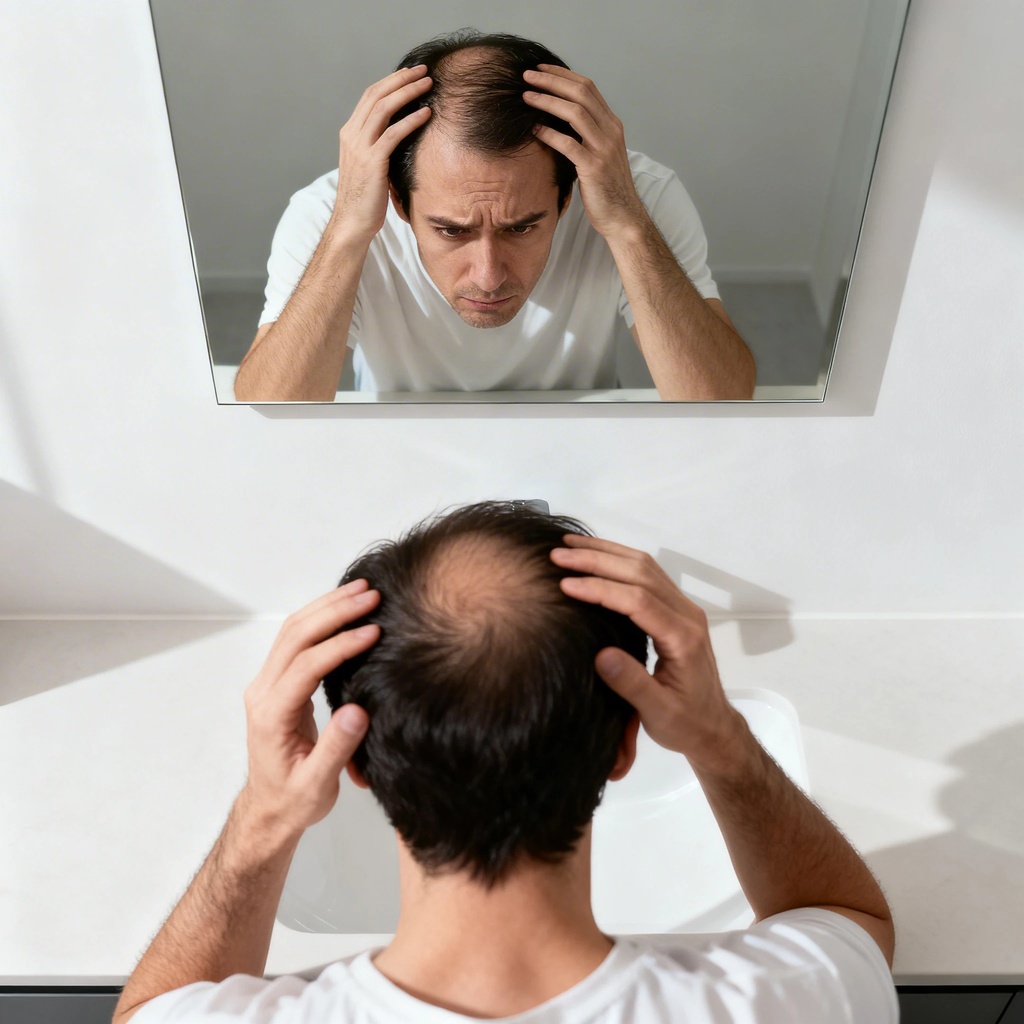
You’ve built discipline. Your diet is dialed in, your workouts are consistent, and the bottle of minoxidil is part of your daily ritual, as regular as brushing your teeth. Yet, the reflection tells a different story—a hairline that continues its slow, stubborn retreat, or a crown that feels increasingly transparent. This specific frustration is precisely why conversations among men in their 30s and 40s are evolving. The focus is shifting from just stimulating growth to understanding and addressing the root hormonal driver of genetic hair loss: dihydrotestosterone, or DHT. If your current efforts feel like you’re holding back a tide with a bucket, exploring DHT blockers represents a strategic move to potentially dam the source. This guide cuts through the noise to give you clear, realistic information on what DHT blockers are, how they work, and how to evaluate if they belong in your regimen.
What Is DHT and Hair Loss Link
Dihydrotestosterone (DHT) is a potent androgen hormone synthesized from testosterone with the help of an enzyme called 5-alpha reductase. For men genetically predisposed to androgenetic alopecia, certain hair follicles on the scalp possess a heightened sensitivity to DHT. Over time, exposure to DHT triggers a process called follicular miniaturization. This isn't a sudden death of the follicle, but a gradual, progressive shrinking. With each hair growth cycle, the affected follicle produces a hair that is finer, shorter, and weaker than the last, eventually becoming so miniaturized it appears invisible. This mechanism explains the core puzzle for many health-conscious men: you can be in peak physical condition, yet still watch your hairline recede. Your genetic code has marked specific follicles as vulnerable to this particular hormone, making the battle against hair loss more targeted than general wellness can address alone.
Halt Hair Loss, Naturally Boost Growth
 👉 Explore Natural Solutions
Discover gentle, effective ways to combat thinning and revitalize your scalp.
How DHT Blockers Actually Work
DHT blockers intervene at the biochemical level of hair loss. Their primary mode of action is to inhibit the 5-alpha reductase enzyme, thereby reducing the conversion of testosterone into DHT. By lowering the concentration of DHT in the scalp (and, in the case of systemic treatments, the entire body), these compounds aim to shield genetically vulnerable follicles from the hormone that’s causing their miniaturization. This is a fundamentally different strategy from a growth stimulant like minoxidil. Think of it this way: minoxidil is like adding fertilizer to a garden, while a DHT blocker is like removing a toxin from the soil that’s poisoning specific plants. The goal is to halt the progression of thinning and, in optimal scenarios, create an environment where miniaturized follicles can recover and begin producing thicker terminal hairs again.
Prescription DHT Blockers: Mechanisms and Evidence
For men seeking the most clinically validated intervention, prescription DHT blockers are the cornerstone of treatment. These medications work systemically, meaning they reduce DHT levels throughout your body to protect the scalp.
Finasteride: The First-Line Standard
Finasteride is an FDA-approved oral medication for male pattern hair loss. It works by selectively inhibiting the Type II 5-alpha reductase enzyme. By taking a daily pill, men can achieve a significant and sustained reduction in scalp and serum DHT levels. The clinical evidence for finasteride is substantial, showing it can effectively stop hair loss progression in a majority of men and stimulate some degree of regrowth in others. It’s crucial to understand that its effects are maintenance-based; the benefits persist only as long as the medication is taken.
Dutasteride: A Potent Alternative
Dutasteride is a more potent prescription option, inhibiting both Type I and Type II 5-alpha reductase enzymes, leading to a greater reduction in DHT. While not originally FDA-approved for hair loss (it’s approved for an enlarged prostate), it is commonly used off-label for stubborn cases of androgenetic alopecia that don’t respond adequately to finasteride. Its increased potency also means a more thorough consideration of its side effect profile is necessary.
Many men are exploring options beyond prescription medications.
Discovering alternative approaches might offer a complementary strategy.
Natural DHT Blocker Alternatives
The conversation around natural DHT blockers for receding hairline has gained significant traction, particularly among men wary of prescription medications or those with very early-stage thinning. These alternatives are thought to offer a milder form of 5-alpha reductase inhibition, often with a different side effect profile.
Protect Your Hair, Reclaim Your Confidence
👉 Explore Natural Solutions
Take control of your hairline with targeted solutions for lasting results.
Pumpkin seed oil is one of the most discussed natural options. Emerging research, including some small-scale human studies, suggests that pumpkin seed oil supplementation may help reduce DHT levels and improve hair growth counts. The proposed mechanism involves compounds like delta-7-sterols that may interfere with the 5-alpha reductase enzyme. Saw palmetto extract is another long-standing natural remedy, with a body of evidence primarily from studies on prostate health that hint at its potential DHT-blocking properties. Other compounds like beta-sitosterol, green tea extract (EGCG), and pygeum bark are often included in natural hair loss blends. It’s vital to approach these with balanced expectations: while they offer a potentially gentler pathway, the breadth and consistency of scientific evidence are not on par with prescription pharmaceuticals. They may be most suitable for men with mild thinning, those who are highly risk-averse regarding side effects, or as part of a comprehensive, multi-pronged natural approach.
Common Side Effects and Risks
A frank discussion of potential side effects is non-negotible, as it directly addresses the hesitation and DHT blockers side effects men frequently search for. For prescription finasteride and dutasteride, the most widely documented risks are sexual in nature, including decreased libido, erectile dysfunction, and reduced ejaculate volume. It’s critical to contextualize this: these effects are not experienced by all users, are often reversible upon stopping the medication, but are a valid and serious consideration. A smaller subset of men report persistent side effects post-discontinuation, a topic of ongoing medical discussion. Beyond sexual side effects, some men may experience breast tenderness or enlargement (gynecomastia).
Explore the Management of androgenic alopecia: a systematic review of the literature. for a broader understanding of treatment options.
Natural supplements generally present a milder risk profile, but they are not risk-free. Saw palmetto can cause stomach discomfort or headaches in some individuals. More importantly, natural DHT blockers can interact with other medications, particularly blood thinners and hormonal therapies. The assumption that “natural equals completely safe” is a dangerous oversimplification. Whether considering prescription or natural routes, the principle is the same: understand the potential risks, monitor your body’s response, and involve a healthcare professional in the decision.
Realistic Results and Timelines
Managing expectations is perhaps the most critical part of committing to a DHT blocker strategy. If you’re asking how long do DHT blockers take to work, prepare for a process measured in months, not weeks. Hair growth cycles are inherently slow. For prescription blockers like finasteride, the initial phase often involves a reduction in daily hair shedding, which may become noticeable after 3 to 6 months of consistent use. Visible improvement in hair density or noticeable regrowth at the hairline or crown typically takes 6 to 12 months, and optimal results may take up to two years. The primary goal in the first year should be stabilization—stopping the loss. Regrowth is a possible bonus, but it’s not guaranteed for everyone. This required patience is especially pertinent for men who have already felt the frustration of slow results with minoxidil alone; adding a DHT blocker resets the clock to some degree, demanding a new commitment to consistency.
Why Minoxidil Alone Sometimes Fails
Understanding this point is key to the entire article’s premise. Minoxidil is a vasodilator and a powerful hair growth stimulant. It works by prolonging the anagen (growth) phase of the hair cycle and potentially increasing blood flow and nutrient delivery to follicles. However, it does nothing to address the underlying hormonal cause of androgenetic alopecia. If your follicles are genetically sensitive to DHT, minoxidil is essentially trying to force growth in an environment that is actively hostile. You might see initial gains—a period of thickening or renewed growth—but the silent process of DHT-induced miniaturization continues unabated. This is the classic, frustrating scenario behind searches like DHT blockers hair loss even though I use minoxidil. The hair you grow with minoxidil may still be susceptible to thinning. For men with a strong genetic predisposition, a combination strategy that pairs a growth stimulant (minoxidil) with a DHT blocker (which addresses the root cause) is frequently the most rational and effective long-term protocol.
Scientific Evidence
Creating an Effective Combination Protocol
For the man who is already using minoxidil but still losing ground, integrating a DHT blocker can create a synergistic, multi-targeted defense. The logic is straightforward: one agent addresses the cause (DHT), the other supports the effect (growth). A practical, step-by-step framework might look like this:
- Foundation – DHT Inhibition: After professional consultation, begin a daily regimen of your chosen DHT blocker (prescription or natural). Consistency in dosage and timing is paramount.
- Growth Support – Minoxidil: Continue—or begin—applying minoxidil solution or foam twice daily to the affected areas of your scalp. This directly stimulates the follicles you’re now protecting.
- Topical Boost (Optional): Incorporate a shampoo containing ketoconazole or saw palmetto several times a week. These can provide a mild, localized anti-DHT effect and help maintain a clean, healthy scalp environment.
- Tracking & Patience: Take clear, well-lit photos of your hairline and crown every month. Changes are so gradual that you won’t notice them day-to-day; photographic evidence is the only way to objectively gauge progress over 6-12 months.
The following table outlines different strategic approaches to help you visualize where you might fit in the spectrum of treatment intensity.
| Approach | Best For | Timeline for Noticeable Change | Key Consideration |
|---|---|---|---|
| Lifestyle & Topical Only (e.g., Minoxidil, DHT-Blocking Shampoo) | Men with very early-stage thinning or those avoiding any systemic intervention. | 6+ months to potentially slow loss; regrowth is less certain. | May not be sufficient to halt progressive genetic hair loss long-term. |
| Natural Supplement Protocol (e.g., Pumpkin Seed Oil, Saw Palmetto) | Men with mild to moderate loss who prefer a gentle, natural first line of defense. | 6-12 months to assess stabilization; effects are typically subtler. | Efficacy varies widely; requires careful sourcing and consistency. |
| Combination Therapy (Prescription DHT Blocker + Minoxidil) | Men with clear progressive thinning despite minoxidil use; the gold standard for moderate loss. | 3-6 months for reduced shedding; 6-12+ months for visible density improvement. | Requires a doctor's prescription and a commitment to monitor for potential side effects. |
| Advanced Medical Pathway (e.g., under specialist care) | Men with advanced loss or who don't respond to first-line treatments. | Varies; may involve adjusting medications or exploring additional therapies. | Involves close dermatological supervision and potentially more complex treatment plans. |
For those seeking a holistic approach, consider exploring the benefits of a strongest natural testosterone booster without prescription 2026.
Safety and Knowing Who Benefits Most
Determining if DHT blockers are right for you hinges on an honest assessment of your hair loss pattern and your personal health. The primary candidates are men diagnosed with androgenetic alopecia (male pattern baldness). They are generally not appropriate, and can be harmful, for certain groups: women who are pregnant or could become pregnant (due to risk of birth defects), men with certain types of non-hormonal hair loss (like alopecia areata or telogen effluvium from stress), and individuals with specific liver conditions. A crucial part of answering are DHT blockers safe for hair loss for you personally involves reviewing your full medical history with a professional. For instance, the use of DHT blockers in men on testosterone replacement therapy (TRT) is a complex topic that requires specialized medical guidance, as TRT can exacerbate hair loss in predisposed individuals.
Additionally, understanding how natural testosterone supplement fda approved ingredients no fillers 2026 can play a role in overall hormonal balance is beneficial.
It's essential to understand the potential benefits of a comprehensive approach.
A well-rounded strategy may yield more satisfying results.
When to See a Doctor
If you’ve reached the point of researching DHT blockers, you’ve likely already been on a self-directed journey with over-the-counter products. This is the perfect moment to transition to professional guidance. A dermatologist or a doctor specializing in hair loss can provide a definitive diagnosis, confirming that your pattern is indeed androgenetic alopecia and ruling out other, less common causes. They can legally prescribe medications like finasteride, offer a structured plan for monitoring your progress and any side effects, and help you navigate the risk-benefit analysis between prescription and natural pathways based on the severity of your loss and your overall health profile. This step moves you from guesswork to a managed plan.
Furthermore, consider a step by step plan to rebuild male libido in 90 days for overall well-being.
Frequently Asked Questions

A: It’s important to set realistic expectations. DHT blockers are most effective at halting or dramatically slowing further hair loss. They can stimulate regrowth, particularly in areas where follicles are miniaturized but still alive. However, they are not a cure for baldness and cannot resurrect follicles that have been dormant for many years and have scarred over. The goal is preservation and potential improvement, not a full return to an adolescent hairline.
Q: I’m worried about side effects. Are natural DHT blockers a good alternative?A: Natural DHT blockers like pumpkin seed oil or saw palmetto are generally associated with a lower incidence of significant side effects compared to prescription medications. They can be a sensible starting point for men with mild thinning or for those who are particularly cautious. However, their effectiveness is often more modest and less uniformly proven in clinical settings. They may not provide a strong enough blockade for men with moderate to advanced genetic hair loss.
Q: How do I know if I need a DHT blocker if I’m already using minoxidil?A: The clearest signal is continued progression. If you have been using minoxidil consistently (twice daily) for 12 months or more and your hair loss is still advancing—your hairline is visibly receding further, your part is widening, or your crown is becoming more sparse—it strongly suggests the hormonal driver (DHT) is not being addressed. This is the classic scenario where adding a DHT blocker is the logical next step to complement the growth stimulation.
Q: What should I look for in a natural DHT blocker supplement?A: Prioritize transparency and quality. Look for supplements that clearly state the exact amount of the active ingredient per serving (e.g., 1000mg of pumpkin seed oil, 320mg of saw palmetto extract). Products that mention third-party testing for purity and heavy metals are preferable. Avoid proprietary blends that hide individual ingredient doses. Choose a form (softgel, liquid, etc.) that you will reliably take daily.
Q: Will I have to use DHT blockers forever?A: Yes, to maintain the benefits. DHT blockers are a maintenance therapy, not a short-course cure. If you stop treatment, the protective effect on your hair follicles ceases. DHT levels will return to baseline, and the process of follicular miniaturization will resume, leading to the loss of any hair you preserved or regrew during treatment.
📌 Love this guide? Save it on Pinterest!
Pin DHT Blockers: What You Need to Know in 2026 for Hair Loss to your board so you can come back to it later.

